A well-designed landscape is a significant asset. It adds beauty, value, and usability to any property. But behind every pristine lawn, vibrant flower bed, and well-trimmed hedge is consistent care and effort. Achieving and maintaining a flawless outdoor space isn’t a one-time task—it’s an ongoing process that blends science, strategy, and attention to detail.


This is where landscape maintenance comes in. Far more than just mowing the lawn or trimming hedges, it involves a comprehensive approach to caring for every element of a landscape—plants, grass, soil, hardscapes, irrigation systems, and more.
In this article, we’ll explore what landscape maintenance entails, why it’s essential, how it differs from landscaping or gardening, and how you can optimize your outdoor spaces throughout the year.
Why Landscape Maintenance Matters
An attractive landscape can boost property value, enhance curb appeal, provide environmental benefits, and improve quality of life. But all of these benefits rely on regular and proper upkeep.
Without routine care, even the most well-planned outdoor space can become overgrown, unhealthy, or aesthetically unappealing. Insects and pests can invade neglected areas, weeds can choke out ornamental plants, and untrimmed trees or shrubs can become hazards.
Consistent maintenance ensures that your landscape remains safe, functional, and visually pleasing. It also prevents costly repairs or replacements by catching problems early—such as irrigation leaks, tree diseases, or soil erosion.
What Does Landscape Maintenance Include?
Landscape maintenance is a broad term that encompasses a wide range of services. While the specific tasks may vary depending on the property’s features and the season, most maintenance plans include the following:
1. Lawn Care
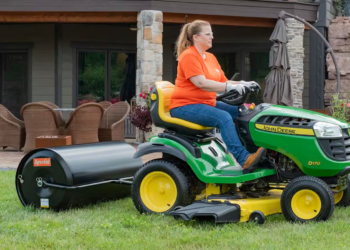
The lawn is often the largest part of a landscape and one of the most visible. Keeping it healthy and lush involves more than occasional mowing.
- Regular mowing to the proper height
- Fertilization schedules
- Aeration to reduce soil compaction
- Weed control and overseeding
- Pest and disease management
2. Pruning and Trimming
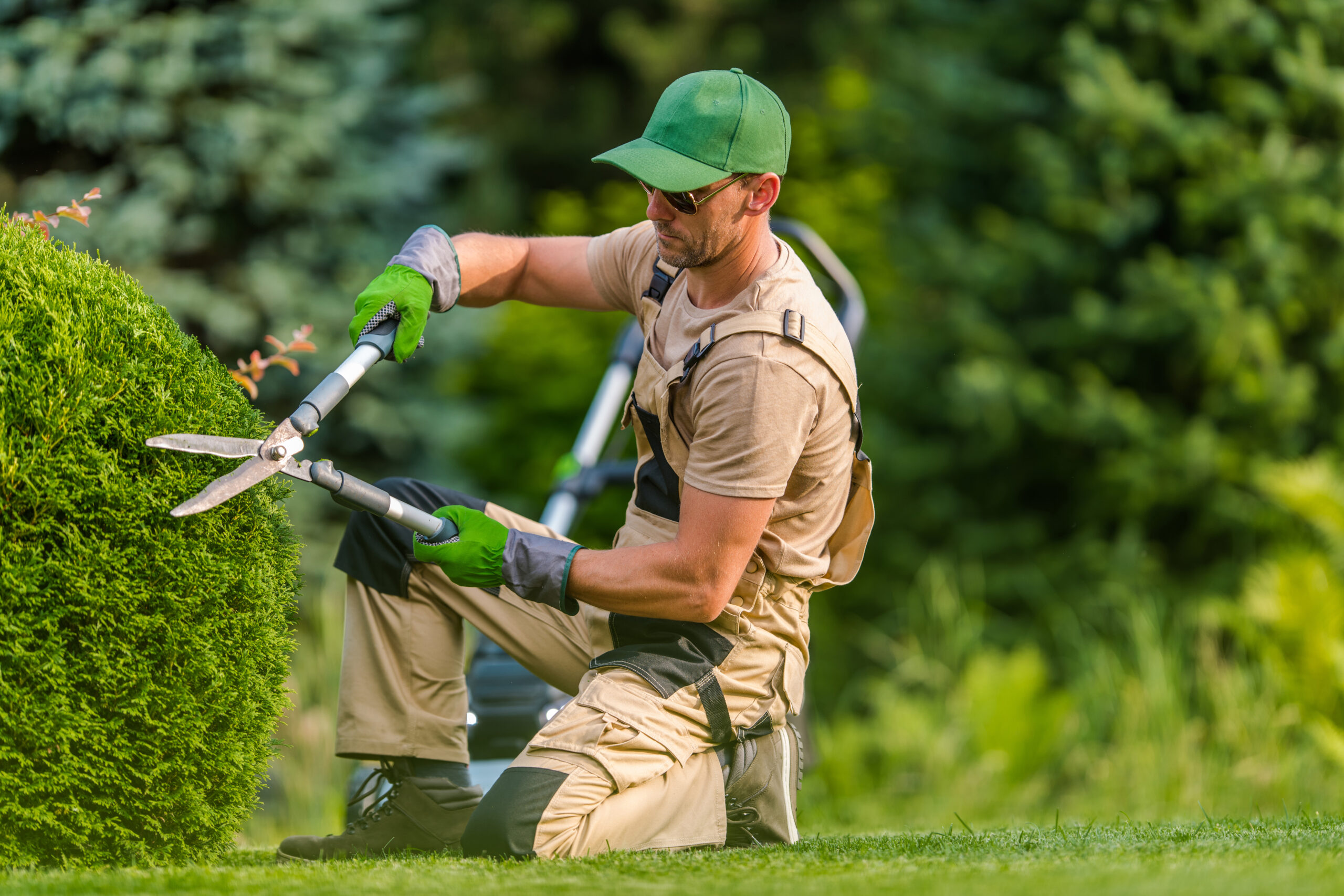
Trees, shrubs, and hedges need to be pruned not only for appearance but for health and safety.
- Removing dead or diseased branches
- Shaping plants for symmetry
- Preventing overgrowth that could block views or damage structures
3. Plant Bed Care
Flower beds and ornamental plantings require seasonal attention:
- Mulching to retain moisture and suppress weeds
- Deadheading spent blooms
- Fertilizing flowering and non-flowering plants
- Managing pests and fungi
4. Irrigation Management
Proper watering is essential for plant health but overwatering or inefficient systems can lead to water waste and damage.
- Regular inspection of irrigation lines
- Seasonal adjustments based on weather
- Replacing damaged sprinkler heads or timers
5. Leaf and Debris Removal
Fallen leaves, branches, and debris can build up quickly and become not only an eyesore but a habitat for pests or disease.
- Raking and removal
- Gutter cleaning
- Storm cleanup as needed
6. Soil Health
Healthy soil is the foundation of a thriving landscape.
- Testing pH levels and nutrients
- Applying organic fertiliser, compost, or amendments
- Monitoring for compaction or drainage issues
The Difference Between Landscaping and Landscape Maintenance
Many people confuse landscaping with landscape maintenance, but they are different services. Landscaping usually refers to the design and installation of outdoor features—planting new trees, building walkways, or installing retaining walls.
Maintenance, on the other hand, is the ongoing care required to preserve the beauty and functionality of the landscape once it’s been installed.
Think of it this way: landscaping is like constructing a building, while maintenance is everything it takes to keep that building clean, operational, and well-managed.
Seasonal Maintenance Tips
Each season brings different needs and challenges. Adjusting your care plan accordingly can help prevent problems and maximize plant health.
Spring
- Clean up winter debris and fallen branches
- Inspect irrigation systems before use
- Apply mulch and fertilizer
- Start mowing and lawn treatments
Summer
- Monitor for drought stress
- Adjust watering schedules
- Deadhead flowers regularly
- Keep pests and fungal issues under control
Fall
- Rake and remove leaves frequently
- Aerate and overseed lawns
- Trim back perennials and remove annuals
- Winterize irrigation systems
Winter
- Prune dormant trees and shrubs
- Protect delicate plants with coverings
- Plan upgrades for the next season
- Clear snow or ice from paths (if applicable)
By following a seasonal plan, you ensure that no aspect of your landscape is overlooked.
Eco-Friendly Landscape Maintenance
As environmental concerns grow, many homeowners and businesses are opting for sustainable landscape care practices. These include:
- Using organic fertilizers and natural pest control methods
- Choosing drought-tolerant and native plants
- Installing smart irrigation systems
- Composting yard waste
- Reducing lawn areas in favor of low-maintenance ground covers
Sustainable landscape practices don’t just benefit the environment—they often reduce long-term maintenance costs and support healthier, more resilient ecosystems.
Benefits of Hiring a Professional Maintenance Service
While some property owners prefer to do their own yard work, there are many advantages to hiring professionals for regular landscape maintenance:
Expertise
Professionals are trained to spot problems early, use proper techniques, and apply products safely and effectively.
Equipment
Maintenance companies come equipped with commercial-grade tools that make tasks faster and more efficient.
Time Savings
Landscaping tasks can be time-consuming, especially for larger properties. Hiring a team frees you to focus on other priorities.
Consistency
A reliable maintenance schedule ensures your landscape always looks its best, even during busy or challenging seasons.
Customized Plans
Professionals tailor their services to your property’s specific needs, ensuring optimal results year-round.
Whether it’s weekly lawn care or monthly pruning and cleanups, a professional service can elevate the appearance and health of your outdoor space.
Avoiding Common Maintenance Mistakes
Many well-intentioned property owners make mistakes that can actually harm their landscape. Here are a few common ones:
- Overwatering: Too much water can lead to root rot and attract pests.
- Incorrect mowing height: Cutting grass too short weakens the lawn and encourages weeds.
- Improper pruning: Cutting at the wrong time or in the wrong place can damage trees and shrubs.
- Ignoring soil quality: Healthy soil is crucial, yet often overlooked.
- Using the wrong products: Not all fertilizers and herbicides are safe for every plant.
Avoiding these mistakes requires knowledge and experience, reinforcing the value of professional help or careful research.
Creating a Maintenance Calendar
A customized calendar is one of the best tools for keeping your landscape in top condition. It should include:
- Monthly tasks (mowing, weeding, pruning)
- Seasonal preparations (mulching, fertilizing, irrigation checks)
- Long-term goals (planting new trees, installing new features)
This proactive approach helps you stay ahead of problems and ensures that nothing falls through the cracks.
Final Thoughts
A beautiful landscape doesn’t maintain itself. Behind every lush lawn and vibrant flowerbed is a thoughtful, consistent care routine tailored to the needs of the property. Whether you do it yourself or work with professionals, investing in proper landscape maintenance pays off in countless ways—from visual appeal and increased property value to healthier ecosystems and personal satisfaction.
Don’t let your outdoor space become an afterthought. Make maintenance part of your long-term landscape strategy and enjoy the lasting benefits of a well-cared-for environment.