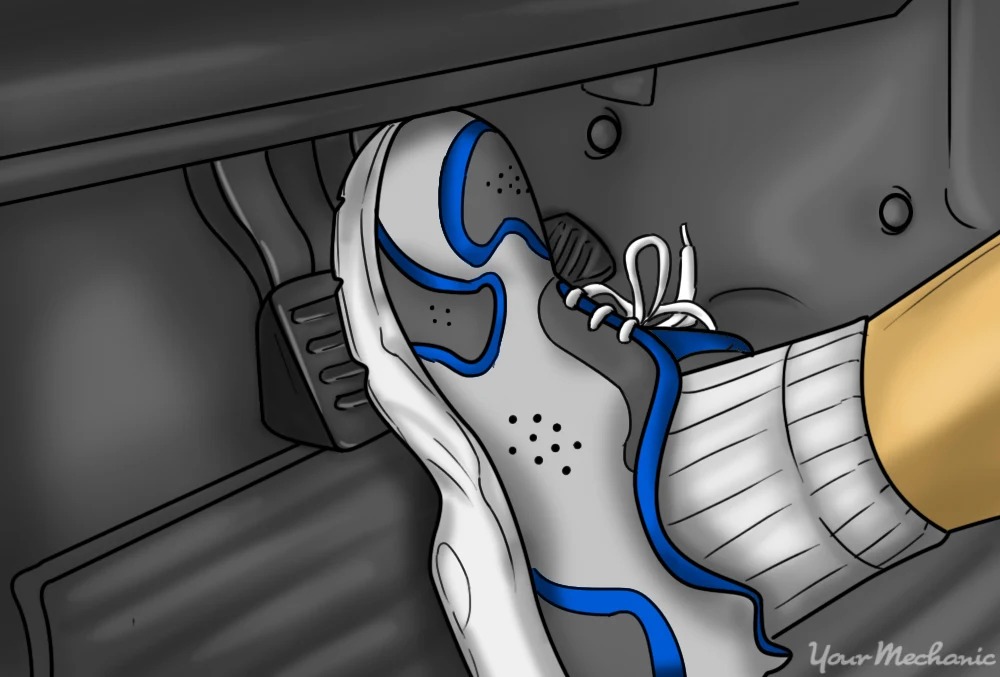
When you press down on your brake pedal, you expect your vehicle to slow or stop without hesitation. But what happens when your brakes don’t respond the way they should? Often, the issue isn’t just with the pads or rotors — it could be linked directly to the pedal and its connected components.


Understanding the connection between the pedal, sensors, and braking system helps you troubleshoot problems before they become unsafe. In some cases, addressing pedal-related issues is just as important as knowing how to replace brake pads.
How the Brake Pedal Works
1. The Pedal as the First Step in Braking
Your brake pedal is the starting point for the entire system. When pressed, it pushes a rod into the brake master cylinder, which creates hydraulic pressure. That pressure then forces brake fluid through lines to calipers or wheel cylinders, pressing pads or shoes against rotors or drums.
2. Modern Brake Assist Systems
Today’s vehicles often include systems like ABS (anti-lock braking) and electronic brake assist. These rely on sensors and electronic modules to modulate pedal pressure for smoother, safer braking. Any malfunction in these systems can affect how the pedal feels and how the brakes respond.
3. Link Between Pedal and Sensors
It’s not just the brake pedal at work. Modern vehicles also use pedal position sensors that communicate with the engine and transmission. For example, an accelerator pedal position sensor helps regulate throttle input, but a faulty one can sometimes cause confusing symptoms that drivers mistake for brake problems — such as hesitation, poor acceleration, or inconsistent pedal feel.
4. Signs of Pedal Problems
If your brake pedal feels spongy, sinks too easily, or requires pumping to build pressure, there may be a leak in the hydraulic system or an issue with the master cylinder. A hard pedal, on the other hand, could point to problems with the brake booster or vacuum supply.
Common Brake Pedal Problems
1. Spongy or Soft Pedal
A spongy brake pedal is often a sign of air in the brake lines or a failing master cylinder. Air reduces hydraulic pressure, causing the pedal to sink deeper than normal before the brakes engage. Bleeding the system or replacing faulty components may be necessary.
2. Hard Brake Pedal
If the pedal feels unusually stiff, the brake booster may not be functioning correctly. This can happen if the vacuum hose connected to the booster leaks or if the booster itself fails. Driving with a hard pedal is dangerous since it requires much more force to stop the car.
3. Pedal Pulsation
If the brake pedal pulses or vibrates when pressed, it’s often due to warped rotors. Replacing or resurfacing the rotors usually fixes the issue. Inconsistent pedal feedback can also come from unevenly worn brake pads.
4. Delayed Brake Response
If you have to push the pedal nearly to the floor before the brakes engage, there may be a hydraulic issue such as a leak or worn seals. This condition is unsafe and requires immediate inspection.
5. Confusion with Accelerator Issues
Sometimes, problems that feel like brake issues are actually tied to acceleration. A faulty accelerator pedal position sensor can cause hesitation or surging that feels like brake trouble. It’s important to rule out both systems when diagnosing pedal-related concerns.
6. Overlooking Regular Maintenance
Many brake pedal problems stem from skipped maintenance. Replacing brake pads, checking fluid levels, and inspecting lines should be done regularly to prevent pedal issues. Ignoring these basics often leads to more expensive repairs later.
Final Thoughts
Brake pedal issues aren’t always simple — they often connect to the broader brake system and even to engine management components. From spongy pedals caused by air in the lines to stiff pedals linked to booster problems, paying attention to how your pedal feels can give early clues about your vehicle’s safety.
By learning how the brake pedal works, staying on top of routine maintenance, and knowing the role of sensors, you can troubleshoot effectively and avoid surprises on the road. Whether it’s replacing brake pads or diagnosing a sensor issue, the pedal should never be overlooked when dealing with brake performance.