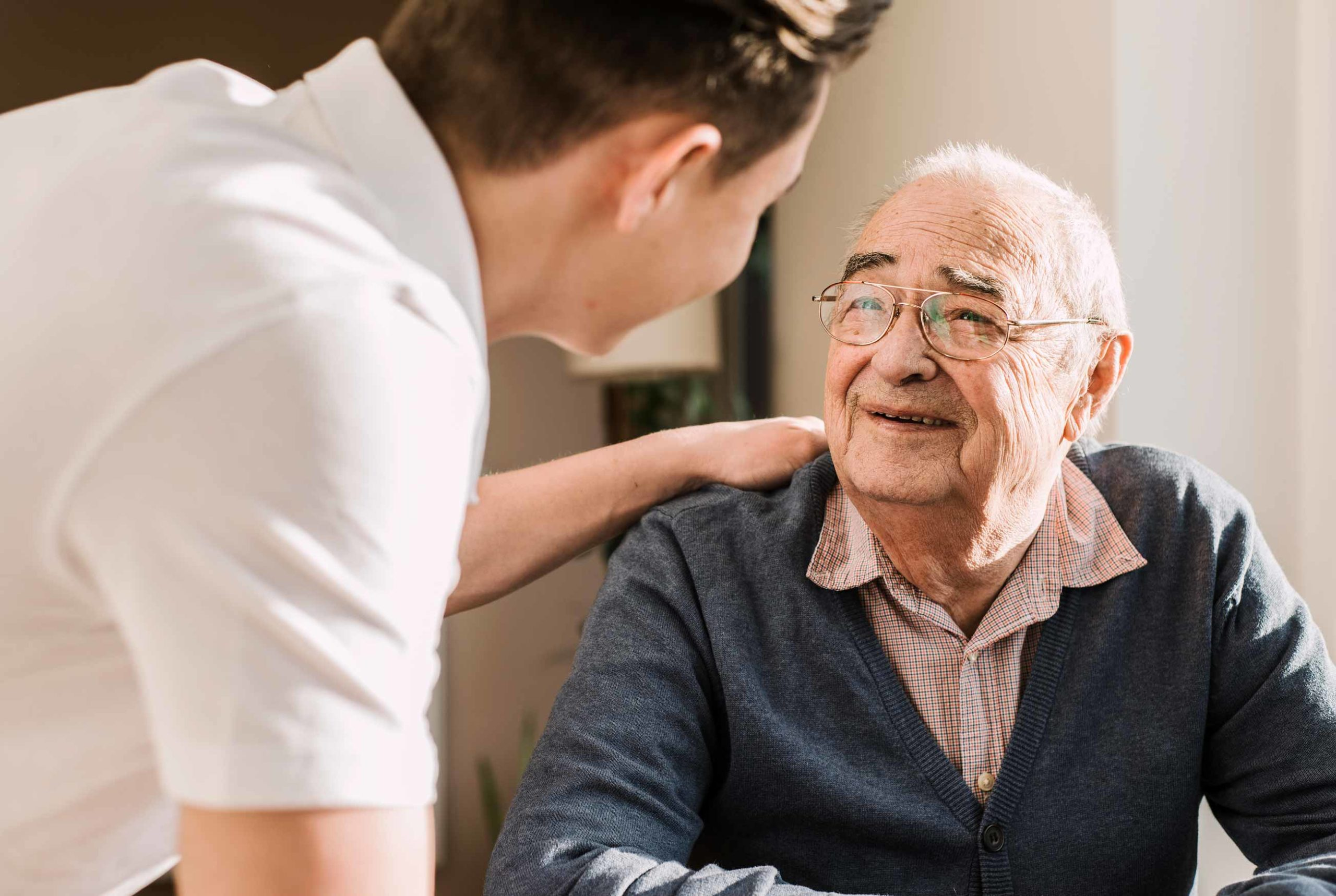
The world’s population is aging, leading to an increase in dementia and Alzheimer’s disease diagnoses. In America, experts predict 14 million seniors will receive one of these diagnoses by 2060. Thankfully, men and women struggling with cognitive decline now have access to innovative programs that will enhance their quality of life while reducing the burdens placed on their caregivers.


These memory support programs utilize coordinated care models, technology, and holistic therapies to provide seniors with the highest level of independence and emotional well-being. Participants are treated with dignity and benefit from tailored non-invasive approaches that address all of their needs.
The Integrated Memory Care (IMC) Clinic
Emory University is home to the Integrated Memory Care Clinic. This clinic is the only primary care practice in the United States today designed specifically for men and women with dementia and their caregivers. Staff members help patients and their families navigate the challenges associated with dementia, and senior communities are following suit because they have seen the effectiveness of this approach.
Guiding an Improved Dementia Experience (GUIDE) Model
The Centers for Medicare and Medicaid Services launched a new program in July 2024. This program, known as the Guiding and Improved Dementia Experience Model, is being used to support individuals with dementia and their unpaid caregivers. The program is currently designed to run for 8 years, focusing on providing individuals with dementia with comprehensive and coordinated care to improve their quality of life. Additionally, this model aims to alleviate the burden on unpaid caregivers. The program is to allow individuals with dementia to remain in their homes and communities. Medicare payments will be provided to individuals participating in the program to ensure they receive care coordination and management, as well as support for caregivers and educational services. When caregivers need a break, respite services will also be offered.
Technology
Technological advances are also assisting individuals suffering from dementia. These individuals may be provided with wearable devices that will monitor their activity levels and vital signs. If changes are seen, the medical team can quickly intervene to achieve better outcomes. Cognitive training apps are being used with these individuals to stimulate their mental function and slow the loss of memory. Medical professionals are also using virtual reality to provide patients with reminiscence therapy, which has been shown to reduce anxiety.
Holistic Therapies
Holistic therapies are commonly used with seniors suffering from dementia today. Research has shown that music therapy can improve a person’s mood while triggering their memories. Art therapy enables individuals to express themselves and has been shown to provide cognitive benefits. Pet therapy is used to provide seniors with companionship and emotional support. Doing so helps alleviate any anxiety they may be experiencing.
Respite Care
Individuals with dementia end up in memory care communities because their loved ones can no longer provide the level of care they need. They wish to have these seniors stay with them, but it is no longer possible. This may be changing as respite care programs are becoming more common. These programs are designed to give caregivers a break when they need them, allowing them to go on vacation or attend to necessary tasks, knowing their loved one is in a safe location. Caregiver burnout is significantly reduced when programs like these are in place.
Changes must be made to accommodate the growing number of senior citizens globally. Treating each person as an individual and considering their overall health and well-being is essential for better outcomes. Personalized accessible solutions allow these individuals to live with purpose and dignity, so they must be made available wherever possible.