Costa Rica, a jewel nestled in Central America, is renowned for its stunning landscapes, rich biodiversity, and peaceful society. Among its most cherished symbols is the national flag, which carries deep meaning and historical significance. Understanding the origins of the Costa Rica flag not only enhances your appreciation for this beautiful country but also connects you to its culture and identity.


A Brief Overview of the Costa Rica Flag
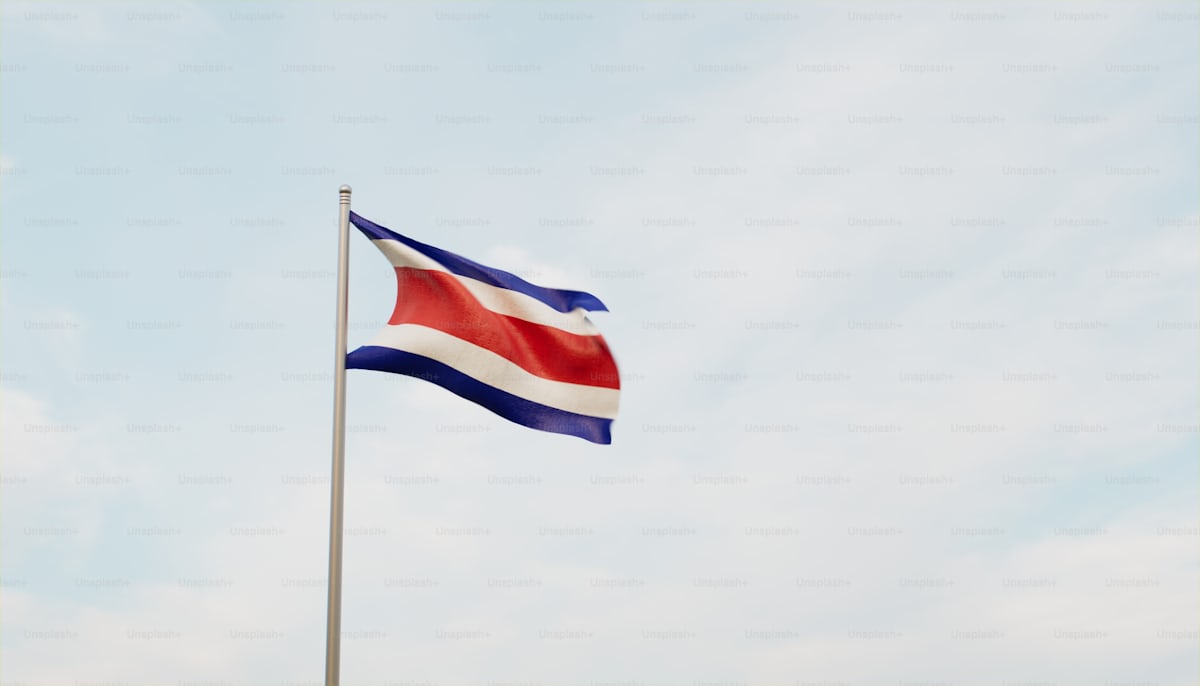
The Costa Rica flag features a unique design characterized by its horizontal stripes of blue, white, and red. Officially adopted in 1848, this flag is more than just a piece of fabric; it encapsulates the values and history of the Costa Rican people. Let’s delve deeper into its significance and the story behind its creation.
The Design of the Flag
The flag consists of five horizontal stripes:
- Blue: The top and bottom stripes are blue, symbolizing the sky, opportunities, and the aspirations of the Costa Rican people.
- White: The second and fourth stripes are white, representing peace, happiness, and wisdom.
- Red: The central stripe is red, signifying the blood shed for freedom and the warmth of Costa Rican hospitality.
This color scheme not only reflects the beauty of Costa Rica’s landscapes but also embodies its core values.
Historical Context: The Birth of the Flag
Pre-Independence Era
Before the establishment of its own flag, Costa Rica shared a banner with the United Provinces of Central America, which included nations such as Guatemala and El Salvador. This shared flag was a representation of the collective identity of Central America during a time of political turmoil and struggle for independence.
The Push for Independence
Costa Rica declared its independence from Spain in 1821, joining the United Provinces of Central America. However, political instability led to the dissolution of this union in 1838. As Costa Rica sought to establish its identity, the need for a distinct national flag became apparent.
The Role of José María Castro Madriz
In 1848, José María Castro Madriz, Costa Rica’s first president, played a crucial role in the creation of the national flag. His wife, Pacífica Fernández, designed the flag, drawing inspiration from the French flag and the principles of the French Revolution, which emphasized liberty, equality, and fraternity.
The Symbolism Behind the Colors
Blue: Aspirations and Opportunities
The blue stripes of the flag symbolize the vast skies above and the opportunities that lie ahead for the Costa Rican people. It reflects their determination to achieve progress and improve their lives while staying true to their roots.
White: Peace and Happiness
White represents the peace that Costa Rica has enjoyed since abolishing its army in 1948. This commitment to peace has allowed the nation to focus on education, healthcare, and social development, fostering a happy and stable society.
Red: Freedom and Generosity
The red stripe is a powerful symbol of the sacrifices made by those who fought for Costa Rica’s freedom. It also embodies the warmth and generosity of the Costa Rican people, known for their hospitality and welcoming nature.
The Coat of Arms: An Additional Symbol of Identity
Costa Rica has two official flags. The first, known as the “bandera nacional,” features the simple blue, white, and red stripes. The second, called the “pabellón nacional,” includes the coat of arms and is used for official purposes.
What the Coat of Arms Represents
The coat of arms is rich with symbolism:
- Three Volcanoes: Representing the country’s major volcanic mountain ranges: Poás, Irazú, and Arenal.
- Two Coastlines: Illustrating Costa Rica’s strategic location between the Caribbean Sea and the Pacific Ocean.
- Seven Stars: Representing the seven provinces of Costa Rica, a nod to the country’s unity and diversity.
These elements of the coat of arms further emphasize Costa Rica’s natural beauty and cultural identity.
The Flag in Modern Times
Celebrating National Pride
The Costa Rican flag is flown proudly throughout the country, especially during national holidays and celebrations. Events like Independence Day on September 15th see citizens proudly displaying their flag, reflecting their love and pride for their nation.
The Flag as a Symbol of Peace
Costa Rica’s commitment to peace is often highlighted through its flag. As one of the few countries in the world without an army, the flag serves as a reminder of the nation’s dedication to resolving conflicts through dialogue and diplomacy.
Educational Importance
In schools across the country, the flag is an important symbol of national identity. Students learn about its origins and significance, fostering a sense of pride and belonging among the younger generation.
Conclusion: The Heart of Costa Rica
Understanding the origins of the Costa Rica flag provides valuable insights into the country’s identity, values, and history. It is not just a symbol of national pride; it represents the aspirations, peace, and warmth of the Costa Rican people. As you explore this beautiful country, take a moment to appreciate the flag that embodies its spirit and resilience.
Costa Rica continues to thrive as a peaceful and welcoming nation, and its flag serves as a constant reminder of the shared values that unite its people. Whether you are a visitor or a proud citizen, the story of the Costa Rican flag is one that resonates deeply, celebrating a legacy of freedom and harmony.