


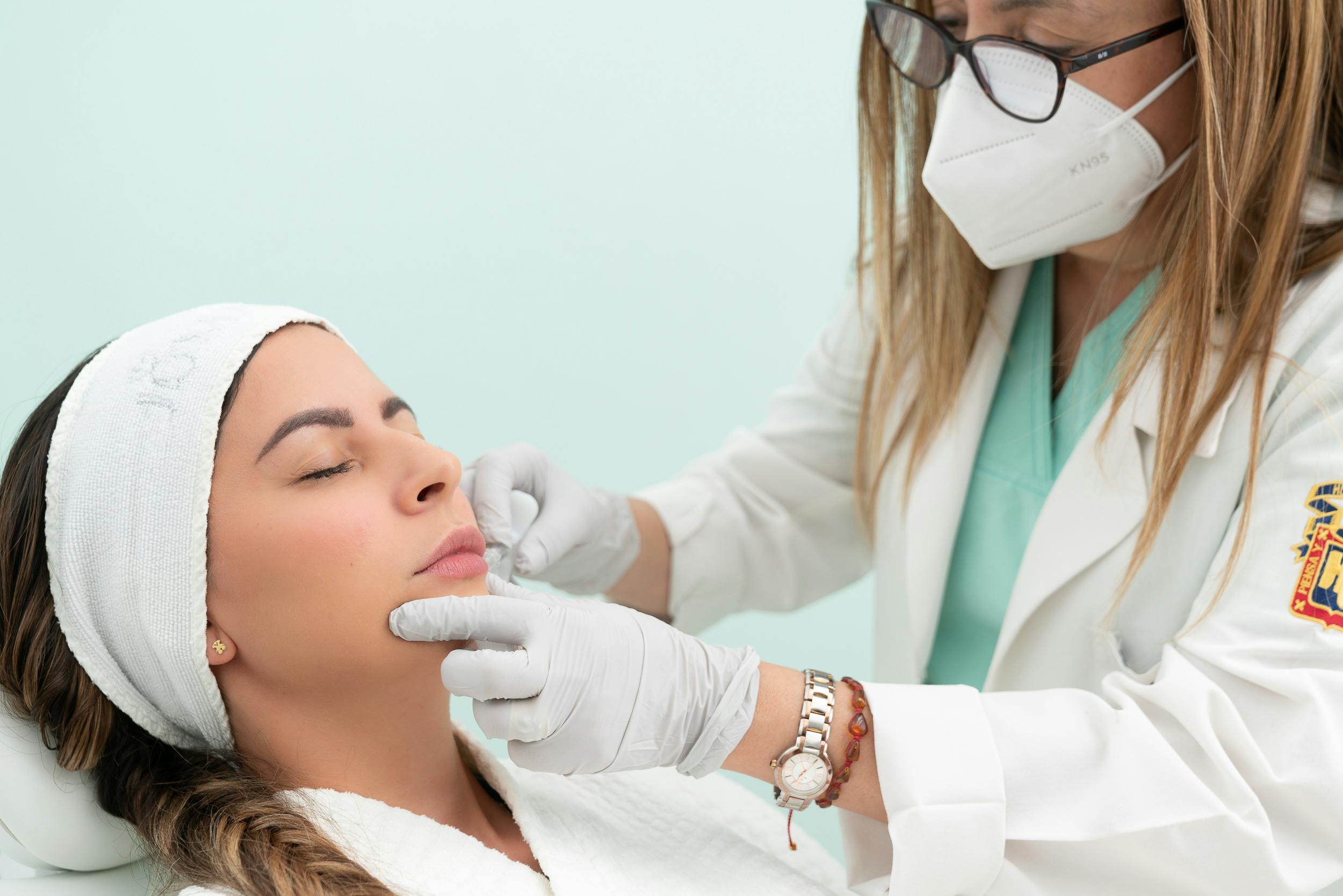
In recent years, cosmetic treatments have shifted toward options that deliver noticeable results with less disruption to everyday life. While surgical procedures still have a place in aesthetic medicine, many patients now explore non-surgical alternatives first. Skin tightening treatments, in particular, have become increasingly popular among individuals looking to improve firmness, texture, and overall appearance without committing to invasive surgery. Understanding why patients choose these options helps clarify broader trends in modern cosmetic care.


Desire for Minimal Downtime and Recovery
One of the strongest factors influencing this decision is recovery time. Surgical cosmetic procedures often require weeks of downtime, follow-up appointments, and activity restrictions. For patients with demanding work schedules, family responsibilities, or active lifestyles, extended recovery can be a major obstacle.
Non-surgical skin tightening procedures typically involve little to no downtime. Many patients can return to daily activities the same day or shortly after treatment. This convenience makes skin tightening attractive to those who want visible improvement without planning their lives around post-operative recovery.
Reduced Risk and Greater Perceived Safety
Another important consideration is risk tolerance. Any surgical procedure carries inherent risks such as infection, scarring, anesthesia complications, or prolonged swelling. While these risks are generally low when surgery is performed by qualified professionals, they can still feel daunting to some patients.
Skin tightening treatments are usually non-invasive or minimally invasive, relying on technologies such as radiofrequency, ultrasound, or laser energy. These methods stimulate collagen production without incisions, which significantly lowers the risk profile. When consulting a plastic surgeon in Northern Virginia, many patients learn that these treatments can offer subtle yet meaningful improvements with a greater sense of safety and control.
Preference for Natural Looking Results
Patients today often prioritize enhancement over transformation. Rather than dramatic changes, many want refreshed, firmer skin that still looks natural. Surgical procedures can sometimes create results that feel too obvious or overcorrected, particularly if expectations are not carefully managed.
Skin tightening treatments work gradually by encouraging the body’s natural regenerative processes. Improvements develop over time, allowing the skin to tighten and smooth in a more organic way. This gradual progression appeals to patients who value subtlety and prefer that others notice they look well rested rather than surgically altered.
Cost Considerations and Budget Flexibility
Budget plays a significant role in cosmetic decision making. Surgical procedures often involve higher upfront costs due to facility fees, anesthesia, surgical expertise, and recovery supplies. For many patients, this financial commitment may feel out of reach or difficult to justify.
Non-surgical skin tightening treatments usually have a lower initial cost and can be spaced out over time. This flexibility allows patients to plan treatments according to their budget. Some also appreciate the ability to assess results after each session before deciding whether to continue, which provides a sense of financial control and reassurance.
Early Intervention and Preventive Mindset
Another reason patients favor skin tightening is a growing preventive approach to aging. Younger patients, in particular, are increasingly interested in maintaining skin firmness before significant laxity develops. For these individuals, surgery may feel excessive or unnecessary at an early stage.
Skin tightening fits well within a preventive strategy. By stimulating collagen production early, patients aim to delay the need for more invasive procedures later. This mindset aligns with broader wellness trends that emphasize early, proactive care rather than reactive intervention.
Emotional Comfort and Decision Confidence
Cosmetic decisions are deeply personal, and emotional comfort matters just as much as physical outcomes. Surgery can feel intimidating, permanent, and emotionally taxing for some individuals. Concerns about pain, healing, and long-term changes can create hesitation.
Skin tightening treatments often feel like a lower pressure option. Patients appreciate the ability to ease into cosmetic care, build trust with their provider, and gain confidence through incremental improvements. This emotional reassurance can be just as influential as clinical effectiveness when choosing between treatment options.
Conclusion
The choice between skin tightening and surgery reflects more than a desire for aesthetic improvement. It reveals changing priorities around safety, flexibility, natural results, and lifestyle compatibility. As non-surgical technologies continue to evolve, more patients are finding that skin tightening aligns better with their goals, expectations, and comfort levels. While surgery remains an effective option for certain concerns, the growing popularity of skin tightening highlights a broader shift toward personalized, less invasive approaches to cosmetic care.


