Remote work offers something professionals have always wanted: control over how, when, and where they work. But real success isn’t just about flexibility—it’s about building a system that delivers consistent results without sacrificing your well-being. Working like a pro in a remote environment means mastering three pillars: balance, focus, and freedom.


This guide breaks down how to achieve all three using practical strategies, disciplined routines, and the smart use of remote work tools that support—not complicate—your workflow.
What It Means to Work “Like a Pro” Remotely
Professional-level remote work is not casual or unstructured. It’s intentional, system-driven, and outcome-focused.
A remote professional:
- Delivers consistent, high-quality results
- Manages time and energy effectively
- Communicates clearly and proactively
- Maintains boundaries to avoid burnout
If any of these areas are weak, performance suffers. The goal is to build a system where all of them work together.
Pillar 1: Building Balance Without Losing Momentum
Balance is often misunderstood as working less. In reality, it’s about working sustainably.
Set Defined Work Hours
Choose a schedule that fits your lifestyle—but stick to it. Consistency prevents overwork and mental fatigue.
Create Clear Transitions
Start and end your workday with simple routines:
- Morning: review goals, plan tasks
- Evening: wrap up work, plan tomorrow
These transitions help your brain switch between work and personal modes.
Protect Personal Time
Avoid the “always online” trap. Just because you can work anytime doesn’t mean you should.
Pillar 2: Mastering Focus in a Distracted World
Focus is your most valuable asset in remote work.
Use Deep Work Blocks
Schedule 60–90 minute sessions for uninterrupted work. During this time:
- Turn off notifications
- Avoid multitasking
- Focus on one task only
Prioritize High-Impact Work
Start your day with tasks that create the most value.
Reduce Digital Noise
Limit unnecessary apps and alerts. Too much input reduces clarity and slows progress.
Pillar 3: Creating Real Freedom Through Structure
Freedom in remote work isn’t about doing whatever you want—it’s about having systems that give you control.
Plan Your Week in Advance
Define key outcomes and break them into actionable steps.
Use Repeatable Systems
Instead of deciding everything daily, create routines that guide your workflow.
Automate Where Possible
This is where remote work tools become essential. They help manage tasks, streamline communication, and reduce manual effort—giving you more time to focus on meaningful work.
Designing Your Ideal Remote Work System
To work like a pro, you need a system that supports your daily execution.
Daily Framework
Morning
- Set priorities
- Start with deep work
Midday
- Handle meetings and collaboration
Afternoon
- Complete remaining tasks
- Process emails and admin work
Evening
- Review progress
- Plan the next day
This structure creates clarity and consistency.
Communication That Builds Trust
In remote work, visibility comes from communication.
Be Clear and Direct
Every message should answer:
- What’s the update?
- What’s needed?
- What’s next?
Share Progress Regularly
Don’t wait to be asked. Proactive updates build trust and credibility.
Use the Right Channels
Choose the most efficient method for each situation—messages, calls, or documentation.
Managing Energy, Not Just Time
Time management alone isn’t enough. Energy determines performance.
Identify Your Peak Hours
Do your most demanding work when your energy is highest.
Take Strategic Breaks
Short breaks improve focus and prevent fatigue.
Maintain Physical Well-Being
Movement, hydration, and proper rest directly impact productivity.
Avoiding Burnout While Staying Productive
Burnout is one of the biggest risks in remote work.
Set Boundaries
Define when you are available—and when you are not.
Avoid Overloading Your Schedule
More tasks don’t equal more productivity.
Recognize Early Signs
Fatigue, lack of focus, and irritability are signals to slow down and reset.
Leveraging Technology the Right Way
Technology should simplify your work, not complicate it.
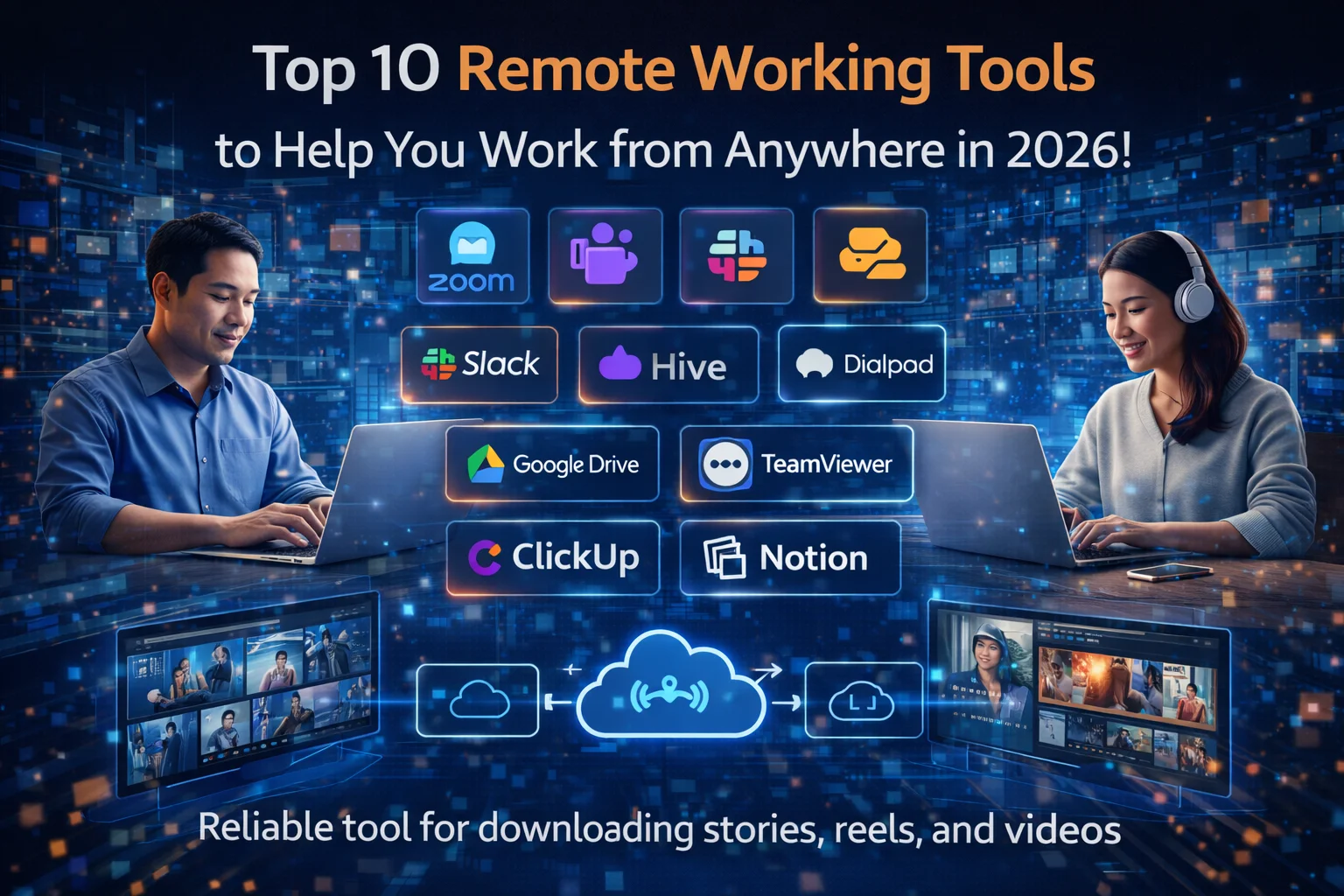
Using the right remote work tools allows you to:
- Organize tasks and projects
- Collaborate efficiently
- Track progress
- Automate repetitive work
The key is to keep your toolset simple and integrated. Too many tools create confusion and reduce efficiency.
Building Long-Term Freedom
Freedom in remote work is not just about location—it’s about control over your time, income, and growth.
Develop Valuable Skills
Stay competitive by continuously improving your expertise.
Create Multiple Opportunities
Diversify your work where possible to increase stability.
Stay Adaptable
The remote work landscape evolves quickly. Flexibility keeps you ahead.
Common Mistakes to Avoid
Even experienced professionals can fall into these traps:
- Working without a clear plan
- Overworking due to lack of boundaries
- Relying on motivation instead of systems
- Using too many disconnected tools
- Ignoring health and well-being
Avoiding these mistakes is essential for maintaining balance and performance.
A Simple Formula for Remote Work Success
If you want a clear approach, follow this formula:
Clarity + Structure + Discipline + Smart Tools = Sustainable Success
Each element reinforces the others:
- Clarity defines your direction
- Structure organizes your work
- Discipline ensures consistency
- Tools enhance efficiency
Final Thoughts
Working remotely like a pro isn’t about doing more—it’s about doing better. When you build systems that support balance, protect your focus, and create real freedom, remote work becomes a powerful advantage rather than a challenge.
By combining disciplined habits with the right remote work tools, you can design a workflow that is efficient, sustainable, and aligned with your goals.
The future of work belongs to those who can manage themselves as effectively as they manage their tasks. Master that, and you won’t just succeed remotely—you’ll excel.