


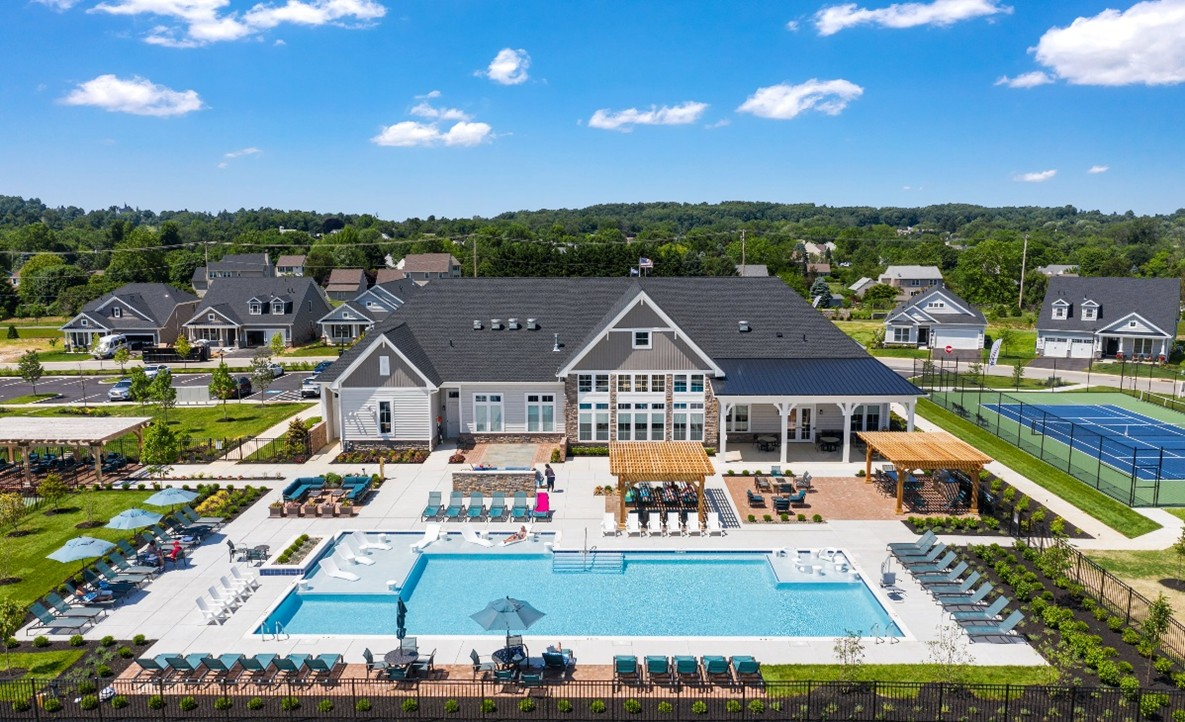
For decades, the ultimate Australian dream was to own a large home on a spacious block of land. Families spent years paying off mortgages, maintaining expansive gardens, and filling extra bedrooms. However, as the population ages and lifestyle priorities shift, a new trend is rapidly emerging. Active adults over the age of fifty are increasingly choosing to leave their traditional properties behind in favour of community-centric living.


This shift is not about slowing down or stepping back from society. Instead, it is a deliberate choice to reclaim free time, foster meaningful friendships, and focus on personal wellness. By downsizing their physical space, these individuals are significantly upsizing their overall quality of life.
The Move Towards Low-Maintenance Freedom
As homeowners enter their fifties and sixties, the reality of maintaining a large property can start to feel more like a burden than an achievement. Weekend hours that were once spent relaxing or pursuing hobbies are suddenly consumed by mowing lawns, cleaning unused rooms, and managing endless home repairs. This growing desire for freedom is one of the primary drivers behind the modern downsizing movement.
Today, active adults want to lock up and leave without worrying about overgrown grass or security issues while they travel. When individuals begin researching options like a retirement village in Macleod or similar appealing suburbs, they are typically looking for an environment that prioritises low-maintenance living. These modern setups allow residents to swap heavy property upkeep for resort-style convenience, giving them the flexibility to spend their days exactly how they choose.
The Biological Benefits of Staying Connected
Beyond the obvious perk of ditching the gardening tools, there is a profound health advantage to living surrounded by peers. Maintaining social connections is a growing concern for older demographics across the globe. Living in a sprawling suburban street often means people rarely interact with their neighbours. Purpose-built communities, on the other hand, naturally foster daily interactions and organic friendships.
The impacts of this regular social engagement go far beyond simply feeling happy or entertained. According to data from the World Health Organization on social isolation and loneliness, strong community ties and regular interactions play a vital role in protecting cognitive function and reducing the risk of chronic conditions. Older adults who actively participate in community life tend to experience lower levels of psychological distress and enjoy a more robust immune system. This global evidence proves that strong social ties actively protect our cellular health and promote longevity.
When people live in close proximity to others who share similar life stages, they are more likely to participate in group fitness activities, shared meals, and casual conversations. These small, daily touchpoints release positive neurotransmitters, such as oxytocin, which naturally lower stress levels and blood pressure. Consequently, the social infrastructure of a dedicated community offers a built-in health prescription that no medication can fully replicate.
Key Features Driving the Community Living Trend
What exactly are these active downsizers looking for when they decide to make the move? The contemporary approach to community living is vastly different from the outdated, institutional models of the past. Today, these environments are designed to feel like luxury holiday resorts that operate year-round.
When exploring their options, modern buyers are typically drawn to several distinct features:
- Resort-style amenities: Many communities now feature private cinemas, bowling greens, heated swimming pools, and fully equipped gymnasiums right on the doorstep.
- Built-in social calendars: From casual morning teas and book clubs to structured fitness classes and organised group outings, residents have the freedom to be as social or as private as they prefer.
- Enhanced security measures: Gated entries and on-site community managers provide incredible peace of mind, especially for those who love to travel frequently.
- Sustainable home designs: Newer downsizer homes are often built with energy efficiency in mind. This leads to significantly lower utility bills, a smaller carbon footprint, and a more comfortable indoor climate year-round.
- Proximity to essential services: The best locations offer easy access to local shopping precincts, medical facilities, and public transport networks.
Reclaiming Financial Independence
Another major factor encouraging the shift towards community living is the financial advantage. Selling a large, traditional family home often unlocks a significant amount of equity. This financial freedom allows active adults to fund their retirement, travel the world, or support their children and grandchildren without the lingering stress of a massive mortgage or exorbitant maintenance costs.
Downsizing to a more compact, efficiently designed home within a dedicated community frequently results in a lower cost of living. Residents share the financial responsibility for maintaining premium amenities, meaning they gain access to high-end facilities at a fraction of the cost of private ownership. This cooperative financial model is highly appealing to those who want to maximise their retirement savings while still enjoying a luxurious lifestyle.
Embracing a Proactive Lifestyle Choice
Ultimately, trading a traditional family home for a spot in a vibrant community is a proactive lifestyle choice. It requires a shift in mindset, recognising that a home is not just about the square footage, but about the experiences and connections it facilitates. For many active over fifties, letting go of the large empty nest is the first step toward a more fulfilling, health-conscious, and socially engaged chapter of life.
By choosing environments that support both physical activity and emotional wellbeing, modern downsizers are proving that the later years can truly be the best years. They are redefining what it means to age gracefully, focusing on vibrant living rather than simply growing older.


