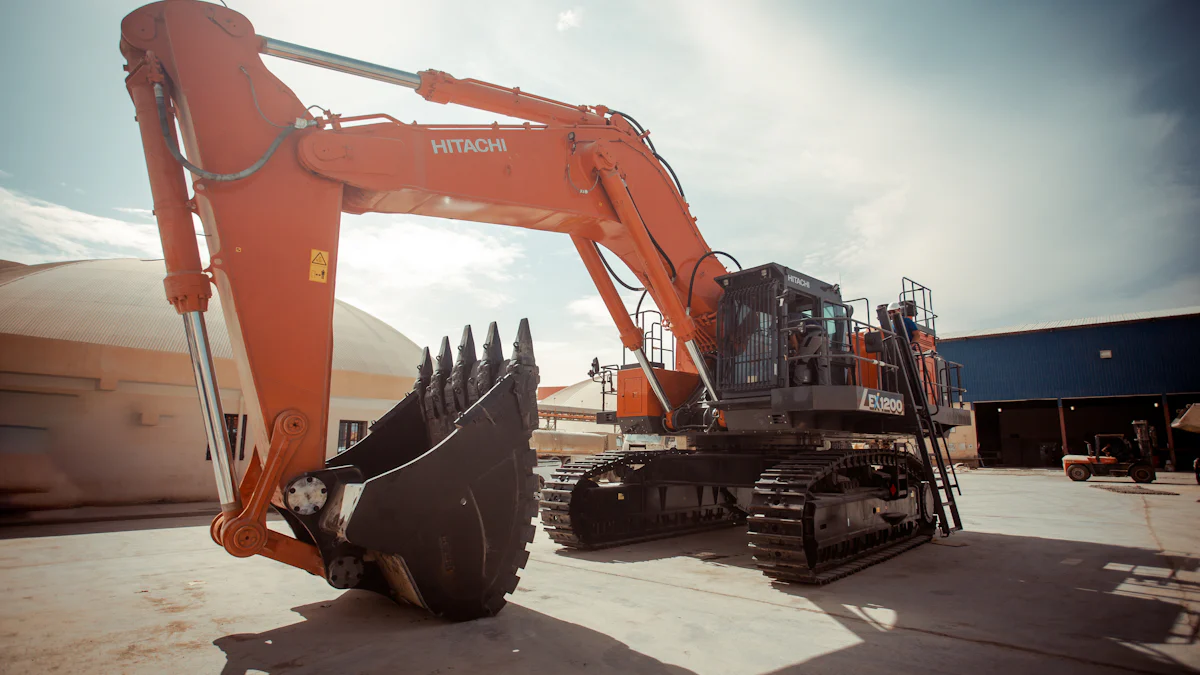
Choosing the right excavator bucket can have a major impact on how efficiently your machine performs on site. While it may seem like a simple attachment, the wrong bucket can slow down work, increase wear, and lead to unnecessary costs. With different bucket types designed for specific tasks, understanding how to select the right one is essential for getting the best results.


Why Choosing the Right Excavator Bucket Matters
The bucket you choose directly affects productivity, fuel efficiency, and overall performance. A well-matched bucket allows your excavator to operate within its optimal capacity, reducing strain on the machine.
Using the wrong bucket can lead to faster wear, increased fuel consumption, and poor job quality. Selecting the right option ensures smoother operation and better long-term value.
Types of Excavator Buckets and Their Uses
General Purpose (GP) Buckets
General purpose buckets are the most versatile option and are designed for everyday digging tasks. They perform well in a range of materials such as soil, sand, and light clay.
For most projects, these excavator buckets are the go-to choice because they balance durability with flexibility. They are ideal for construction, landscaping, and general earthmoving work where conditions are not overly abrasive.
Mud Buckets
Mud buckets are wider and designed for levelling, grading, and clean-up work. They are commonly used in landscaping and finishing tasks where precision and smooth surfaces are required.
Rock Buckets
Rock buckets are built for heavy-duty applications. They feature reinforced structures and stronger teeth to handle abrasive materials such as rock and compacted ground.
These buckets are essential for demanding environments where durability is critical.
Sieve Buckets
Sieve buckets are used to sort and separate materials. They allow finer materials to pass through while retaining larger debris, making them useful in recycling and site preparation.
Trenching Buckets
Trenching buckets are narrow and designed for precise digging. They are commonly used for utility work such as laying pipes or cables where accuracy is important.
Key Factors to Consider When Choosing a Bucket
Material Type
The type of material you are working with plays a big role in your choice. Softer materials like soil require less reinforcement, while harder materials like rock demand stronger, more durable buckets.
Job Type
Different tasks require different bucket designs. Digging, grading, and trenching all have specific requirements that should be matched with the right bucket type.
Excavator Size and Capacity
It is important to match the bucket to your excavator’s size and hydraulic capacity. An oversized bucket can overload the machine, while a smaller one may reduce productivity.
Bucket Width and Capacity
Wider buckets are better for moving large volumes of material, while narrower buckets provide greater precision for detailed work.
Matching Bucket to Application
For general construction work, a GP or rock bucket is often the best choice. Landscaping projects benefit from mud buckets, while trenching tasks require narrow, specialised buckets.
Understanding the primary use of your excavator helps narrow down the most suitable option.
Common Mistakes to Avoid
One of the most common mistakes is choosing a bucket based on price alone. While cost is important, it should not come at the expense of performance and durability.
Another mistake is using a bucket that is too large for the machine. This can lead to inefficiency and increased wear on both the bucket and the excavator.
Signs You’re Using the Wrong Bucket
If your excavator is struggling to dig efficiently or showing signs of excessive wear, it may be due to the wrong bucket choice. Increased fuel consumption and poor finishing results are also indicators.
Switching to a more suitable bucket can improve both performance and outcomes.
Bucket Attachments and Add-Ons
Additional features such as specialised teeth, cutting edges, and wear plates can enhance performance. These components help adapt the bucket to specific tasks and improve durability.
Choosing the right combination of attachments can extend the life of your bucket and improve efficiency.
Maintenance Considerations When Choosing
Durability and ease of maintenance should be considered when selecting a bucket. Look for designs that allow easy replacement of wear parts and are built with high-quality materials.
Regular maintenance will help keep your bucket in good condition and extend its lifespan.
Pro Tips for Choosing the Right Bucket
Always consider the main type of work you will be doing and choose a bucket that suits that purpose. It is better to have the right tool for the job than to rely on a single bucket for everything.
Investing in a quality bucket can save time, reduce wear, and improve overall productivity.
Key Takeaways
Selecting the right excavator bucket is about matching the tool to the task. By considering factors such as material type, job requirements, and machine capacity, you can make a more informed decision.
The right choice will not only improve efficiency but also help protect your equipment and deliver better results on every project.