


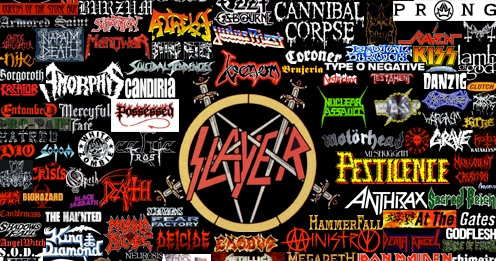
Heavy metal is one of the most diverse genres in music, evolving over decades into a wide range of styles and sounds. While it started with a handful of pioneering bands, it has grown into a complex genre with many subgenres, each offering a unique identity. Understanding these different types helps fans explore the full depth of metal music.


What Defines Heavy Metal Music?
Heavy metal is generally defined by distorted guitars, powerful vocals, and strong rhythmic intensity. It emerged in the late 1960s and early 1970s, with bands like Black Sabbath helping shape its foundation.
Over time, this core sound expanded into multiple directions, creating a broad spectrum of styles within the genre.
Why Are There So Many Types of Heavy Metal Bands?
Heavy metal has evolved continuously, with new subgenres emerging as artists experiment with sound, themes, and cultural influences. Different regions, fan communities, and musical innovations have all contributed to this diversity.
As metal grew, bands began blending styles or pushing boundaries, leading to a wide variety of sounds and identities. Resources discussing influential heavy metal bands often highlight how these shifts shaped the genre’s evolution and popularity.
Today, heavy metal is considered an umbrella genre that includes many distinct styles, each with its own characteristics and fan base.
Main Types of Heavy Metal Bands
Traditional Heavy Metal
Traditional heavy metal reflects the original sound of the genre. It features strong melodies, clean vocals, and powerful guitar riffs. Bands like Iron Maiden are known for this classic style.
Thrash Metal
Thrash metal is faster and more aggressive, with rapid guitar riffs and intense energy. Bands such as Metallica helped define this subgenre.
Death Metal
Death metal is heavier and more extreme, often featuring growled vocals, fast drumming, and complex guitar work. It focuses on intensity and technical precision.
Black Metal
Black metal is known for its dark themes, raw sound, and atmospheric elements. It often includes high-pitched vocals and lo-fi production styles.
Power Metal
Power metal combines speed with melody, often featuring clean vocals and fantasy-inspired lyrics. It is known for its uplifting and dramatic sound.
Doom Metal
Doom metal takes a slower approach, emphasising heavy riffs and a dark, atmospheric tone. It often explores themes of despair and intensity through slower tempos.
Modern and Fusion Subgenres
Metalcore
Metalcore blends heavy metal with hardcore punk, combining aggressive riffs with breakdowns and mixed vocal styles.
Nu Metal
Nu metal incorporates elements from other genres such as hip-hop and alternative rock, creating a more accessible and experimental sound.
Progressive Metal
Progressive metal focuses on complex song structures and technical musicianship, often pushing the boundaries of traditional metal.
Industrial Metal
Industrial metal mixes heavy guitar riffs with electronic and mechanical sounds, creating a unique and modern style.
How Subgenres Differ from Each Other
Different types of heavy metal bands can be identified by several factors, including tempo, vocal style, and lyrical themes. Some subgenres prioritise speed and aggression, while others focus on atmosphere and melody.
Instrumentation and production also play a role, with some styles favouring polished sound and others embracing raw or experimental approaches.
How to Identify Different Types of Heavy Metal Bands
Listening closely to a band’s sound can help identify its subgenre. Vocal style is often a key indicator, ranging from clean singing to growls or screams.
Guitar riffs, tempo, and lyrical themes also provide clues. Over time, fans develop an ear for recognising these differences.
Why Subgenres Matter to Fans
Subgenres allow fans to connect more deeply with the music they enjoy. Each style represents a different mood, identity, and cultural influence.
This diversity is part of what makes heavy metal so enduring, as it continues to evolve while maintaining its core intensity.
Bringing It All Together
Heavy metal is far more than a single style of music. It is a vast and evolving genre made up of many different types of bands, each contributing to its rich history.
Whether you prefer fast and aggressive sounds or slow and atmospheric tones, there is a subgenre for every listener. Exploring these different styles is one of the best ways to fully appreciate what heavy metal has to offer.









