


Introduction and Background
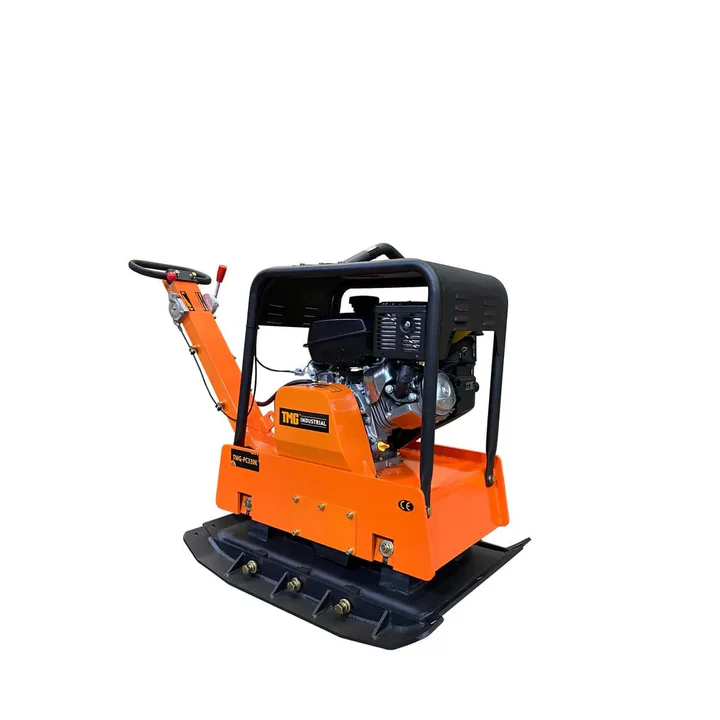
In Canada, industrial operations across construction, warehousing, and logistics sectors rely on stable ground surfaces to ensure safety and operational efficiency. Soil and aggregate compaction play a central role in achieving this stability. Among the equipment used, reversible plate compactors are widely applied due to their adaptability and effectiveness in confined and large-scale environments. Their relevance has grown alongside infrastructure expansion and warehouse development across urban and remote regions.


Industrial Relevance in the Canadian Context
Canada’s climate and geography present unique challenges. Freeze and thaw cycles, variable soil conditions, and remote project locations require reliable compaction methods. Reversible plate compactors are used in:
· Warehouse floor preparation
· Road and pathway construction
· Foundation and trench compaction
· Landscaping and site development
Their ability to move both forward and backward improves efficiency in tight or repetitive work areas, which is common in industrial yards and storage facilities.
Technical Overview and Use Cases
Operating Principles
A reversible plate compactor uses vibration generated by an engine-driven exciter system. This vibration forces air out of soil particles, increasing density and load-bearing capacity. The reversible function allows directional control without repositioning the machine.
Typical Applications
· Compacting granular soils such as sand and gravel
· Preparing sub-bases for concrete slabs
· Maintaining industrial pathways and loading zones
· Backfilling around structural elements
Efficiency, Safety, and Productivity
Efficiency in compaction reduces project time and material waste. Properly compacted surfaces minimize settlement and structural failure. From a safety perspective, stable ground reduces risks such as equipment tipping or uneven load distribution.
Key productivity benefits include:
· Reduced need for rework
· Consistent compaction depth
· Improved workflow in confined spaces
Technical Capabilities and Considerations
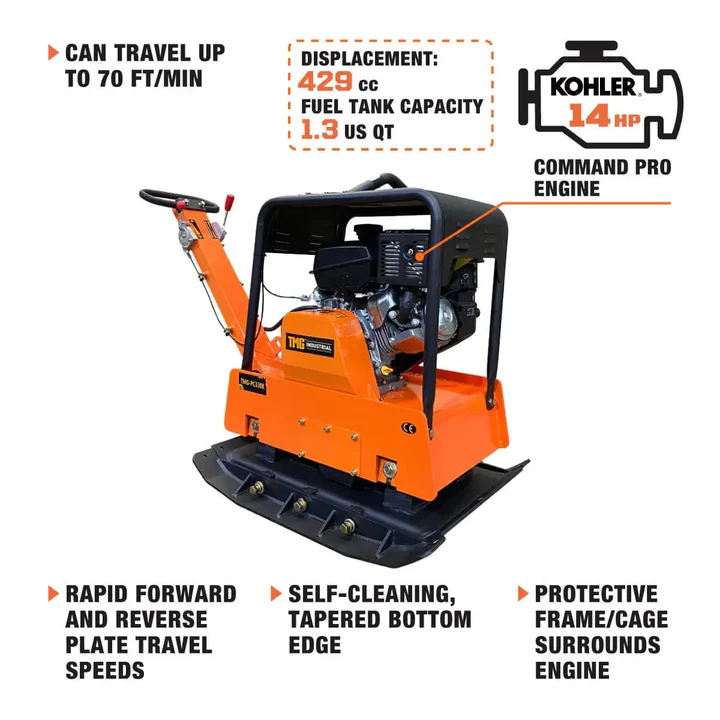
When selecting and operating a reversible plate compactor, several technical factors must be considered:
· Engine power and fuel type
· Centrifugal force and vibration frequency
· Plate size and weight
· Travel speed and directional control
Operators should match equipment specifications to soil type and project scale to ensure effective compaction.
Factors Affecting Performance and Safety
Several variables influence compaction outcomes:
· Moisture content of the soil
· Layer thickness during compaction
· Operator experience and technique
· Maintenance condition of the equipment
Improper conditions can lead to uneven density, reduced stability, and increased wear on machinery.
Safety Considerations and Best Practices
Safe operation is essential in industrial environments. Recommended practices include:
· Conducting pre-operation inspections
· Wearing appropriate personal protective equipment
· Maintaining stable footing during operation
· Avoiding use on steep or unstable slopes
· Ensuring proper ventilation when operating in enclosed areas
Training and adherence to operational guidelines reduce the likelihood of accidents and equipment damage.
Equipment Types, Tools, and Attachments
Reversible plate compactors are part of a broader category of compaction equipment. Related tools include:
· Forward plate compactors for lighter tasks
· Rammers for cohesive soils
· Rollers for large-scale projects
· Water tanks for dust control
· Rubber mats for paving applications
Selection depends on project requirements and environmental conditions.
Advantages and Limitations
Advantages
· Bidirectional movement improves efficiency
· Suitable for a range of soil types
· Compact design for confined spaces
· Consistent compaction results
Limitations
· Less effective on highly cohesive soils
· Requires operator skill for optimal results
· Noise and vibration exposure considerations
· May not replace larger equipment in extensive projects
Real-World Application Example
In a distribution center expansion project in Ontario, reversible plate compactors were used to prepare subgrades for new loading docks. The equipment enabled efficient compaction in narrow zones between structural supports. By achieving consistent soil density, the project reduced future maintenance requirements and improved load-bearing performance for heavy transport vehicles.
Conclusion and Future Outlook
TMG Industrial Reversible plate compactors play an important role in modern industrial operations across Canada. Their ability to deliver efficient and controlled compaction supports both safety and productivity. As infrastructure demands increase, there is growing interest in equipment with improved fuel efficiency, reduced emissions, and enhanced operator ergonomics.
Future developments may include integration of monitoring systems and data-driven performance tracking. For professionals in warehousing, logistics, and construction, understanding the principles and proper use of compaction equipment remains essential for long-term operational success.









