The rise of NekoDrop vending machines marks an exciting shift in how modern collectors access their favorite hobby. For years, North American fans of anime and Japanese pop culture had to rely on expensive imports or lucky finds at specialized conventions to get their hands on authentic merchandise. Now, the vibrant neon glow of these machines is becoming a staple in high-traffic hubs, bridging the gap between Tokyo’s bustling Akihabara district and the local shopping mall. By blending the thrill of a mystery “drop” with the convenience of automated retail, NekoDrop is effectively redefining the concept of a souvenir for a new generation of enthusiasts.


The Psychology of the “Drop”
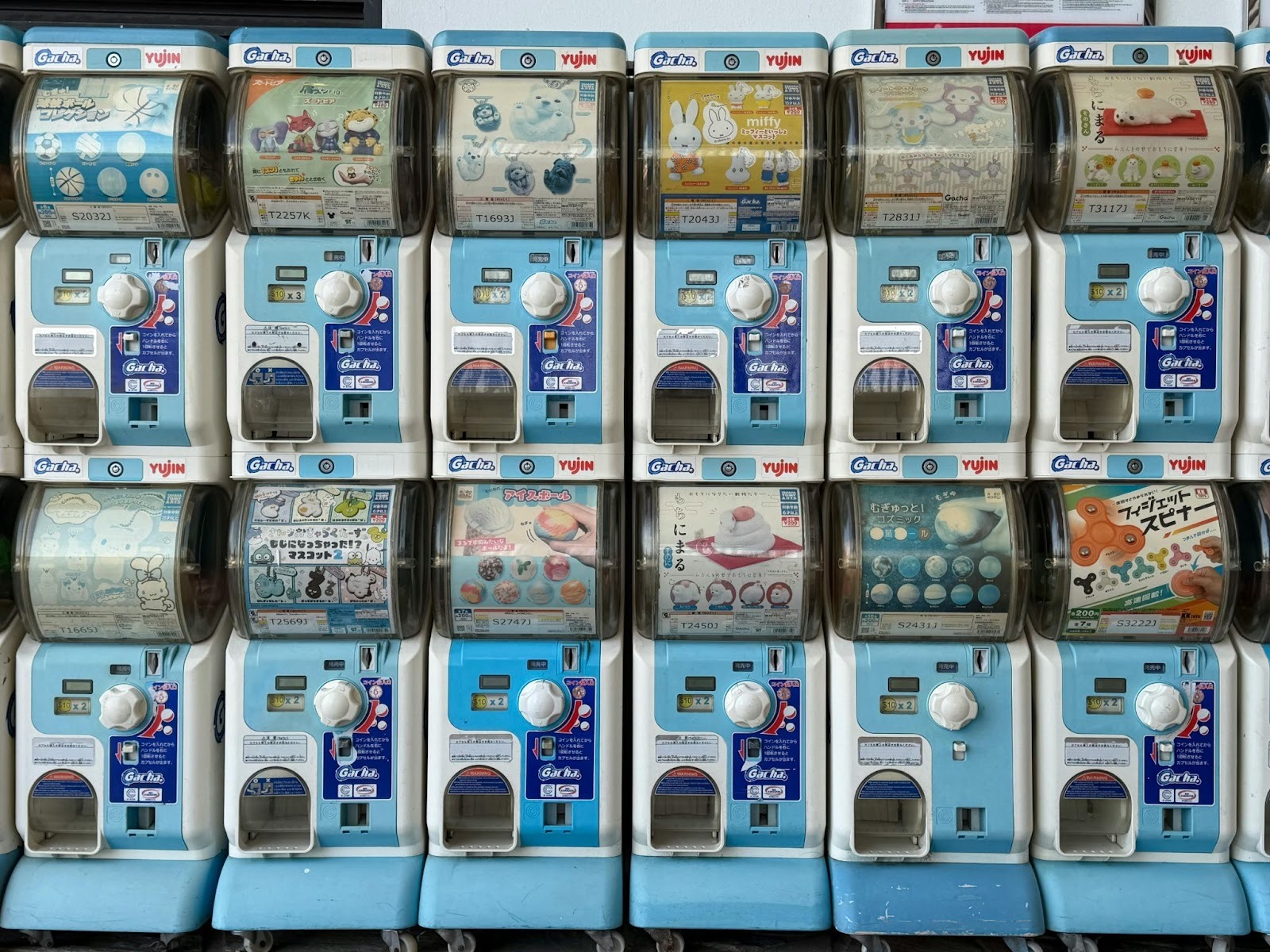
At the heart of NekoDrop’s success is the “gacha” mechanic. Derived from the Japanese word gashapon, which mimics the sound of a hand-cranked machine (gacha) and the subsequent thud of the prize (pon), this culture is built on the thrill of the unknown. Unlike traditional vending machines where you see exactly what you are getting, the gacha experience relies on a “blind-box” philosophy.
For Gen Z and Millennial collectors, this is more than just a purchase; it is a micro-event. There is a palpable tension as the machine processes the payment—whether through a credit card, Apple Pay, or Google Pay—and the mechanical arm begins its dance. When the item finally drops, the unboxing happens almost instantly, often captured on camera for TikTok or Instagram. This “drop” creates a rush of dopamine that turns a simple transaction into a memorable experience, explaining why it is common to see groups of “kidults” gathered around a machine, purchasing five, ten, or even fifteen items in a single sitting to complete a specific set.
Premium Curation: No “Filler” Allowed
One of the biggest hurdles for the growth of toy vending in North America was the historical reputation of “quarter machines” filled with low-quality, generic plastic trinkets. NekoDrop has completely dismantled this stereotype by focusing exclusively on premium, authentic Japanese brands and globally recognized intellectual properties.
When you peer through the glass of a NekoDrop unit, you aren’t looking at generic sticky hands or plastic rings. Instead, you find a carefully curated selection of high-end collectibles. The inventory is a “who’s who” of modern pop culture:
- Pop Mart & Designer Toys: Popular series like Labubu, Skullpanda, and Dimoo have a massive following among designer toy enthusiasts.
- The TCG Boom: Authentic Pokémon TCG booster packs, Japanese One Piece cards, and even high-grade “mystery slap” card capsules cater to the serious investor and player alike.
- Sanrio & Kawaii Culture: From Hello Kitty to Cinnamoroll, the machines offer licensed miniatures and accessories that appeal to the “aesthetic” crowd.
- Niche Miniatures: Brands like Re-ment, known for their incredibly detailed dioramas of Japanese food and household items, provide the “tiny things” fix that Millennials find so irresistible.
By ensuring there are no “filler” toys, NekoDrop maintains a high level of trust with its audience. Collectors know that even if they don’t get the specific “chase” figure they were hoping for, the item they do receive is a high-quality, licensed product worth the price of the pull.
From Machines to Viral Destinations
While the products are the primary draw, the machines themselves have become destination landmarks. Strategically placed in major international airports like Toronto Pearson and premier shopping centers like Square One, NekoDrop units are designed to be “scroll-stopping” in real life.
The aesthetic is intentionally loud and “kawaii.” Wrapped in custom, bright graphics and illuminated by internal LED lighting that showcases the premium packaging of the blind boxes, the machines function as mini-art installations. This visual appeal is a magnet for social media content. It is now common to see “NekoDrop Haul” videos or “Come with me to find the NekoDrop machine” vlogs across social platforms.
In airports, they serve a unique purpose for the modern traveler. Instead of the typical duty-free snacks or neck pillows, passengers can grab a limited-edition anime figurine or a pack of Japanese trading cards. It provides a “travel-friendly” gift that feels curated and special, rather than an afterthought. This viral visibility has transformed the machines from simple retail units into interactive hubs where fans meet, trade duplicates, and share their latest pulls.
The “Kidult” Phenomenon
The success of NekoDrop is deeply intertwined with the “kidulting” trend—adults who buy toys and collectibles typically associated with children. For Millennials and Gen Z, these items represent a form of nostalgia and a way to personalize their living spaces. A Sonny Angel perched on a computer monitor or a rare Pokémon card displayed on a shelf is a badge of identity.
NekoDrop understands that this demographic values transparency and authenticity. By using American-made, high-tech hardware with remote monitoring, the machines are rarely out of stock of the “hot” items. The integration of data-driven retail means the inventory rotates based on what is trending in the community. If a new anime series takes over the internet, fans can expect to see related “drops” appearing in the machines shortly after.
The Future of Automated Fandom
As NekoDrop expands across North America, it is proving that the future of retail is experiential. People no longer want to just click “buy” on a website; they want the story that comes with the item. They want the lights, the sound of the drop, and the community of fellow fans waiting in line.
By bringing the heart of Japanese gacha culture to Western malls and transit hubs, NekoDrop is doing more than selling toys. It is creating a localized version of the Akihabara experience, proving that the mystery in the machine is a universal language of joy for collectors everywhere. Whether you are a hardcore card grader or a casual fan of cute aesthetics, the next great addition to your collection is likely just one “drop” away.