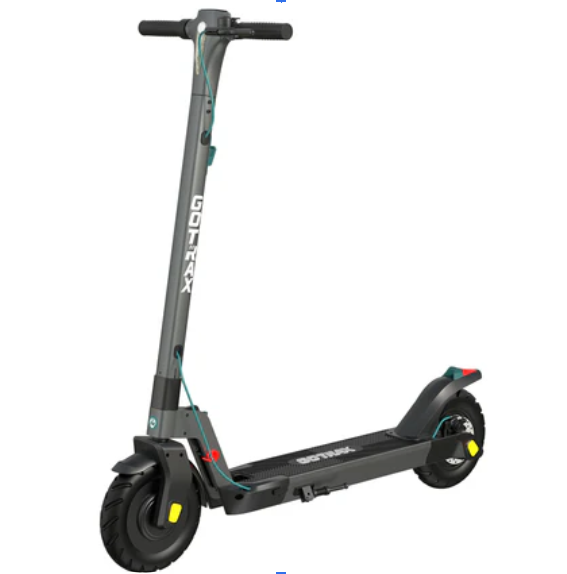
For many Canadian commuters, the arrival of November marks the end of the micromobility season. However, as cities like Calgary and Ottawa continue to expand their bike lane networks, a common question arises: Can you ride an electric scooter in a Canadian winter? While the short answer is technically “yes,” the practical reality involves navigating a gauntlet of freezing temperatures, unpredictable precipitation, and aggressive road salt.


Understanding the Legal Landscape Across Provinces
Before you gear up, it is vital to check your local bylaws. Micromobility laws in Canada are a patchwork of provincial pilots and municipal rules. For instance, in Ontario, the provincial e-scooter pilot allows individual cities to set their own seasonal dates. Many shared-scooter programs, such as those in Edmonton or Montreal, pull their fleets off the streets once the first permanent snow falls. If you are using a personal electric scooter, check if your city’s “Active Transportation” paths are officially maintained during the winter months, as riding on uncleared sidewalks is often illegal and dangerous.
Impact of Extreme Cold on Battery Performance
Canada’s “Great White North” reputation is well-earned, and lithium-ion batteries are notoriously sensitive to the cold. When temperatures drop below $0^\circ\text{C}$, the internal resistance of the battery increases, leading to a significant drop in voltage.
Riders often report a range reduction of up to 50% during a typical January cold snap. Furthermore, if you leave your scooter outside in -20°C weather, the battery may refuse to discharge altogether. It is a fundamental rule of winter maintenance: never charge a battery that is below freezing. Always bring your device inside and let it reach room temperature before plugging it in to avoid permanent cell damage.
Navigating Hazardous Road Conditions
Canadian winter roads are rarely “just snow.” They are a fluctuating mix of slush, hard-packed ice, and the dreaded “black ice.” Most e-scooters come equipped with small 8-inch or 10-inch solid rubber tires, which provide almost no traction on frozen surfaces. Unlike an electric bike, which has larger wheels and a lower center of gravity that can handle ruts more effectively, a scooter’s small wheels can easily get caught in slush tracks, leading to a “wipeout.” If you must ride, look for pneumatic (air-filled) tires with deep treads, or consider aftermarket studded tires designed specifically for icy conditions.
Essential Winter Gear for Rider Safety
Survival in a Canadian winter is all about the layers. Windchill is the primary enemy; at 25 km/h, a -5°C day feels like -15°C.
- The Shell: A high-quality windproof and waterproof jacket is non-negotiable.
- The Extremities: Heavy gloves often lack the dexterity needed to operate a thumb throttle. Many Canadian riders swear by “Bar Mitts” or handlebar muffs that stay attached to the scooter, allowing you to wear thinner gloves inside.
- Visibility: With the sun setting as early as 4:30 PM in December, your factory-installed deck lights aren’t enough. Attach a high-lumen headlamp to your helmet and wear a reflective sash to ensure drivers can see you through frosty windshields.
Maintenance and Care to Prevent Corrosion
In Canada, road salt (sodium chloride) and liquid brine are used liberally to melt ice. While effective for cars, salt is highly corrosive to scooter electronics and bearings. After every winter ride, you should wipe down the frame and the underside of the deck with a damp cloth. Pay special attention to the charging port and motor seals. If salt water penetrates these areas, it can lead to “ghosting” (where the scooter accelerates on its own) or total motherboard failure. Applying a thin layer of silicone grease to exposed screws and folding mechanisms can help provide a protective barrier against the elements.
Final Thoughts on Winter Commuting
Riding an e-scooter through a Canadian winter requires a blend of mechanical preparation and mental fortitude. While it offers a way to bypass gridlock and avoid crowded transit, the risks of battery degradation and slippery surfaces are high. For most, the “shoulder seasons” of late autumn and early spring are the limit. However, for the dedicated few who choose to brave the snow, success lies in slow speeds, frequent maintenance, and knowing when the weather is simply too Canadian to handle.