TL;DR: Reef-safe sunscreen brands are made differently, usually using mineral protection in the form of zinc oxide rather than the chemical filters that are known to cause coral bleaching. You still get the same sun protection, just without those ingredients.


Once upon a time, buying and using sunscreen was a pretty straightforward thing. You picked an SPF, put it on before heading outside, and didn’t think much more about it. Over the last few years though, the conversation has been changed by buyers getting more savvy. As a result, reef safe sunscreen brands have become much more popular.
These sunscreens are created without certain ingredients that have raised flags among scientists and environmental groups looking into what’s behind coral reef damage. As more people have picked up on this, the question of what’s actually in their sunscreen has started to matter in a way it didn’t before.
How Reef Safe Sunscreen Brands Are Different
When you get down to it, the main thing that sets reef safe sunscreen brands apart is the UV filters they choose to use. A lot of standard sunscreens are built around chemical filters that absorb UV radiation, and some of those ingredients have been looked at for what happens when they wash off swimmers and end up in ocean water.
Most reef safe products use mineral UV filters (zinc oxide being the main one), which sit on the surface of the skin and block UV radiation without relying on the chemicals that have attracted environmental scrutiny. When you look at reef-safe brands, you may start to notice a few things they have in common:
- Mineral UV filters such as zinc oxide or titanium dioxide
- Broad-spectrum protection against UVA and UVB rays
- Formulas without oxybenzone or octinoxate
The idea is to still protect your skin from burning, but to do so without the chemicals most commonly questioned for what they might be doing to coral reef ecosystems.
Why Many People Choose Reef-Safe Sunscreen
For a lot of people, switching to reef-safe sunscreen is about making choices that protect the planet. When you’re swimming, surfing, snorkeling or even just spending a day by the beach, it matters less when it washes into the sea. You can’t stop it going there, but when it arrives, it tends to do much less damage to the creatures that live there.
Even relatively small amounts of certain sunscreen ingredients getting into the water can build up in busy coastal spots. It’s part of why a growing number of beach destinations and regions have moved to restrict sunscreens containing specific chemical filters.
Reef-safe products offer something that works well for your skin while being a more considered choice for the ocean. When people go looking for reef-friendly options, you get the same benefits as before, but with an eco-friendly twist, as they feature:
- Mineral-based UV protection
- Simpler ingredient lists
- Broad-spectrum SPF coverage
- Formulas designed for sensitive skin
Those qualities make reef-safe sunscreens very much worth considering not just for beach trips but for everyday use, too. Your skin needs protecting, no matter what you’re up to.
Reef Safe Sunscreen Brands Offer Peace of Mind
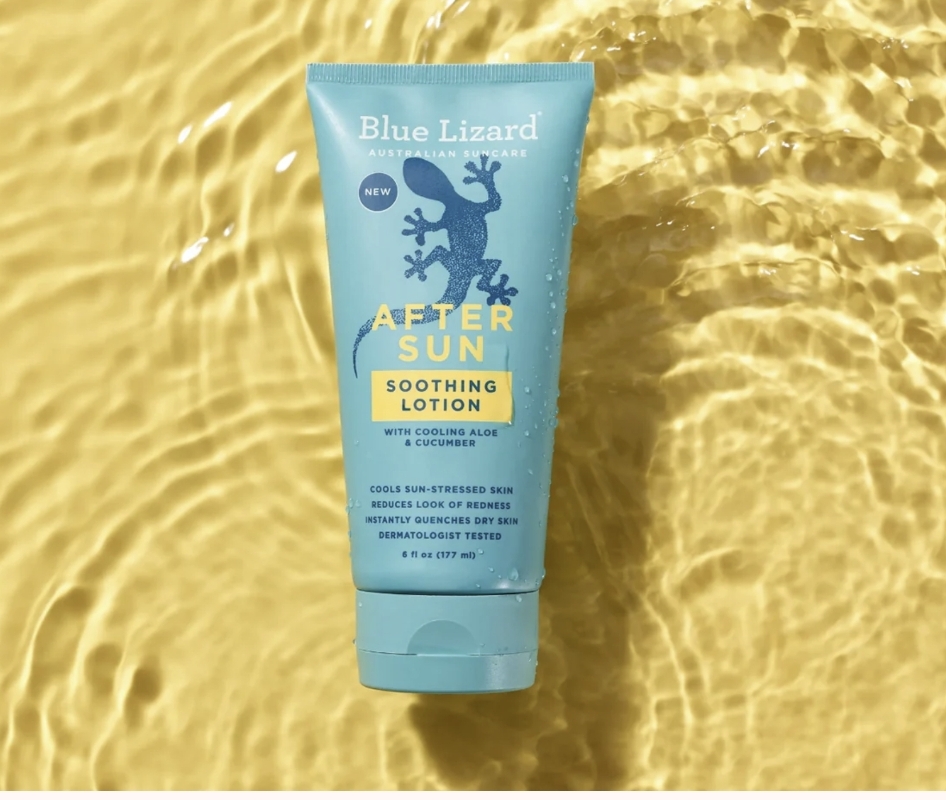
If the plight of our marine environments is something that matters to you, reef-safe sunscreen gives you a practical way to reduce your impact while still looking after your skin properly. There are brands like Blue Lizard that use zinc oxide to give you the broad spectrum protection you need without the coral bleaching that’s been linked with chemical brands. Peace of mind, indeed.
Picking a sunscreen that works for both your skin and the environment means you can get on with enjoying time outside without that nagging feeling you’re contributing to the problem, whether that’s a day at the beach, everyday use or anything else.