What Constitutes Exotic Game?
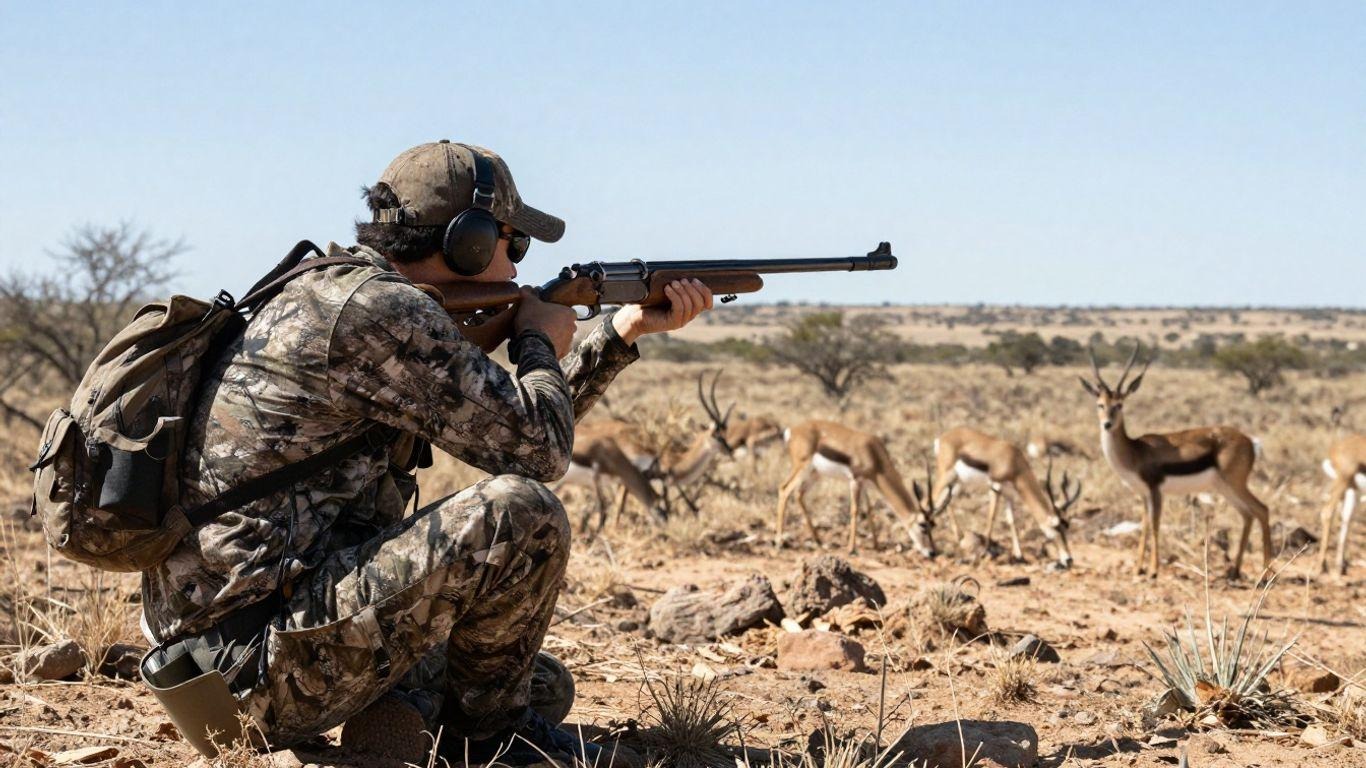
When folks talk about exotic game in Texas, they’re generally referring to animals that aren’t native to the state. Think of species like axis deer, blackbuck antelope, aoudad sheep, or even zebras and wildebeest. These animals were brought to Texas, often for hunting purposes, and now thrive on many private ranches. They aren’t your typical Texas whitetail or turkey; these are animals from different continents that have found a home here. Understanding what makes a game animal ‘exotic’ is the first step in grasping the unique world of Texas exotic hunting.


The Rise of Exotic Game Ranches
Over the years, Texas has become a prime spot for exotic game ranches. These ranches, often featuring high fences, were established to manage and breed these non-native species. They provide controlled environments where hunters can pursue a diverse array of animals. This model has grown significantly, turning Texas into a go-to destination for those seeking a hunting experience beyond traditional North American big game. The popularity of these ranches is a testament to the unique opportunities they present for hunters.
Economic and Conservation Impacts
Exotic game ranches have a noticeable impact on the Texas economy. They create jobs, support local businesses, and bring in tourism dollars. Beyond the economic side, there’s a conservation aspect too. Many ranches actively manage their populations, contributing to the survival of species that might face greater threats in their native lands. This careful management ensures that these exotic animals can be hunted responsibly while also contributing to their long-term presence in Texas. It’s a complex system that balances sport with stewardship.
Navigating Regulations and Seasons
When it comes to hunting exotic game in Texas, the rules and timing can feel quite different from pursuing traditional native species. Understanding these differences is key for any hunter heading afield.
Year-Round Opportunities for Exotics
One of the most striking distinctions is the open season for exotic animals. Unlike native game like white-tailed deer, which have specific hunting periods set by the state, exotic species are generally available for hunting throughout the entire year. This is largely because many exotic animals are considered private property once they are on a high-fenced ranch. This classification gives landowners more flexibility in managing their herds and offering hunting opportunities whenever they choose. So, if you’re looking for a hunt outside the typical fall season, exotic game ranches in Texas can often accommodate.
Contrast with Traditional Deer Seasons
Traditional deer hunting in Texas adheres to a strict calendar. Hunters must be aware of the opening and closing dates for archery, rifle, and muzzleloader seasons, which vary by zone. These regulations are in place to manage the population of native species and ensure sustainable hunting practices. Missing these windows means waiting until the next season. This contrasts sharply with the exotic hunting experience, where the lack of rigid seasonal constraints allows for more spontaneous planning and a broader window of opportunity. It’s a significant factor for hunters who might have limited time off or prefer to hunt during different times of the year.
Licensing and Hunter Requirements
While exotic hunting offers more flexibility in seasons, hunters still need to be properly licensed. Texas requires a hunting license for all game animals, including exotics. However, specific regulations regarding exotic species can vary by ranch. Some ranches may have additional requirements or specific protocols they expect hunters to follow. It’s always wise to check with the ranch directly about their specific rules, any required certifications, and what gear is recommended. Always confirm licensing requirements with the Texas Parks and Wildlife Department and the specific ranch before your trip. This ensures a legal and smooth hunting experience, whether you’re after aoudad or axis deer.
Diverse Species and Hunting Experiences
A Global Menagerie on Texas Soil
Texas isn’t just about white-tailed deer anymore. Hunters can find a wild array of animals from all over the globe right here. Think axis deer from India, blackbuck antelope from Asia, and even aoudad sheep native to North Africa. These aren’t your typical Texas critters; they’re a whole different ballgame. This variety makes Texas a unique spot for exotic hunting.
These animals often thrive in the Texas landscape, thanks to specialized ranches. They’ve adapted well, offering hunters a chance to pursue species they’d normally only see in documentaries. It’s like a world tour for hunters, all within the Lone Star State. The sheer diversity is a big draw for many.
It’s a far cry from sticking to just one or two native species. The opportunities are vast, and the experience is truly one-of-a-kind. This global collection of game is what sets Texas apart in the hunting world. It’s a hunter’s dream, really.
Safari-Style Pursuits
Forget sitting in a tree stand for hours. Many exotic hunting adventures in Texas lean towards a safari feel. Guides often drive hunters across large ranches in vehicles, spotting game from a distance. This method allows hunters to cover more ground and increases the chances of encountering different species.
The thrill comes from the chase across wide-open spaces. It’s about the expedition, the search, and the sudden encounter. Hunters might use elevated benches on vehicles or simply glass the landscape from the passenger seat. It’s an active, dynamic way to hunt, very different from traditional methods.
This approach is particularly suited to the vast ranches where exotic game roams. It makes the hunt feel more like an exploration, adding an adventurous edge. It’s an exciting way to pursue these unique animals.
Spot-and-Stalk Techniques
While safari-style is popular, spot-and-stalk is another common method for exotic game. This involves actively tracking the animal once it’s spotted. Hunters and their guides will use terrain to their advantage, moving quietly to get within shooting range.
It requires patience, good observation skills, and a solid understanding of the animal’s behavior. Unlike waiting in a blind, this method is all about the stalk. You’re actively engaging with the environment and the quarry.
This technique is especially effective for more wary animals. It brings the hunter closer to the wild nature of the pursuit. It’s a classic hunting skill applied to a diverse set of game.
Here’s a quick look at some popular exotic species:
| Species | Native Region | Key Features |
| Axis Deer | India | Spotted coat, year-round antlers |
| Blackbuck | India | Distinctive spiral horns |
| Aoudad Sheep | North Africa | Long, curved horns |
| Feral Hog | Eurasia (introduced) | Tough, adaptable |
The variety of game available means hunters can tailor their experience. Whether they seek the speed of an antelope or the ruggedness of a wild sheep, Texas offers it. This adaptability is a major part of its appeal.
Ethical Considerations in Exotic Hunts
Fair Chase Principles
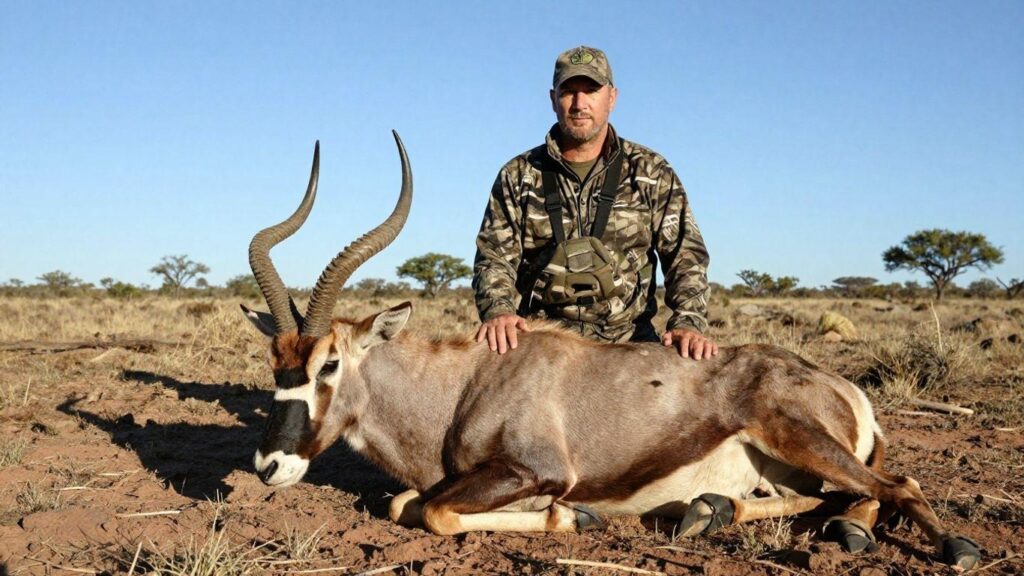
Fair chase is a big deal in hunting. It means giving the animal a real chance to get away. For exotic hunts, this can get a little tricky. Some places might make it too easy, which isn’t really hunting. Responsible hunters aim for a challenge, not a guaranteed shot. It’s about the pursuit, the skill, and respecting the animal’s ability to evade.
Animal Welfare and Ranch Management
Good exotic ranches focus on keeping their animals healthy and happy. This means proper food, water, and space. They manage their populations carefully. It’s not just about having animals to hunt; it’s about caring for them. This approach helps maintain a healthy ecosystem on the ranch. It also ensures that the animals are in good condition for a hunt.
Conservation as a Driving Force
Many exotic game ranches in Texas see themselves as conservationists. By offering hunting opportunities, they generate funds. These funds go back into managing the land and protecting the species. It’s a way to make these non-native animals valuable, which in turn encourages their preservation. This model supports the survival of species that might not otherwise thrive in Texas. It’s a different kind of conservation, but one that many believe is effective for exotic game.
Ethical hunting is about more than just the shot; it’s about the entire process from preparation to the aftermath. Responsible hunters consider the well-being of the animal and the environment.
Here’s a look at what goes into ethical exotic hunting:
- Respect for the Animal: Understanding its behavior and giving it a fair chance.
- Land Stewardship: Maintaining the habitat and ensuring population health.
- Legal Compliance: Following all state and federal regulations.
- Minimizing Waste: Utilizing as much of the harvested animal as possible.
When choosing a ranch for an exotic hunt, look for those that clearly state their commitment to these principles. It makes for a better experience and supports responsible wildlife management.
Choosing the Right Exotic Hunting Destination
Reputable Ranch Selection
Picking the right place for your exotic hunt in Texas is a big deal. You want a ranch that’s known for doing things right. Look for places that focus on ethical hunting and have a good reputation. This means they care about the animals and the land. A good ranch will be clear about their practices and what you can expect. They should also be upfront about costs and what’s included in your hunt. Remember, a quality experience often comes from a well-managed operation.
Safety and Legality
Safety and legality are non-negotiable when you’re out hunting exotic game. Even though these animals aren’t native, Texas has rules to keep things in order. Reputable ranches will always prioritize your safety. This includes proper firearm handling, safe hunting zones, and knowledgeable guides. They’ll also make sure all the necessary paperwork is in order, and you have the right licenses. Always confirm the ranch follows all state and federal regulations. This protects you and the integrity of the hunt.
Guided Hunts and Lodging
When you decide on a destination for exotic hunting in Texas, consider the full package. Many ranches offer guided hunts, which are super helpful, especially if you’re new to hunting exotic species. These guides know the land, the animals, and the best techniques. Good lodging makes the trip more comfortable too. After a long day in the field, having a nice place to relax is a big plus. Think about what kind of experience you want – a rustic cabin or a more luxurious lodge – and choose a ranch that fits.
Exotic Hunting vs. Traditional Pursuits
Key Differences in Game and Methods
When you look at exotic hunting in Texas versus traditional game hunts, the most obvious difference is the animals themselves. Traditional hunts often focus on native species like white-tailed deer or wild hogs. These animals have specific seasons and regulations tied to their natural life cycles. Exotic hunting, on the other hand, opens up a world of species not originally from Texas, like axis deer, blackbuck antelope, or aoudad sheep. These animals are often managed on private ranches, which means hunting opportunities can be available year-round.
This difference in game naturally leads to different hunting methods. Traditional deer hunting might involve sitting in a blind over a food plot or patiently stalking through familiar woods. Exotic hunts can feel more like a safari. Hunters might cover vast amounts of land on ATVs or horseback, looking for a specific trophy animal. Spot-and-stalk techniques are common, requiring keen eyesight and the ability to track animals across varied terrain. The thrill of the chase is definitely a big part of the exotic hunting experience.
The variety of species available for exotic hunting in Texas is truly remarkable. It’s a global menagerie right here in the Lone Star State. This diversity means hunters can experience different challenges and pursue animals with unique behaviors and physical characteristics. While traditional hunting offers a classic experience, exotic hunting provides an unconventional adventure that many hunters find incredibly rewarding. It’s about stepping outside the usual and embracing the unexpected.
The Thrill of the Unconventional
What makes exotic hunting so appealing to many is its departure from the norm. Traditional hunts often follow established patterns and seasons. You know what to expect, and the challenge lies in outsmarting a native animal within its natural environment and set seasons. Exotic hunting throws a curveball. You might be pursuing an animal from Africa or Asia, on land that feels more like a vast nature preserve than a typical hunting ground. This unconventional aspect adds a layer of excitement and unpredictability.
This isn’t to say traditional hunting lacks thrill. The patience required, the knowledge of deer behavior, and the connection to a long-standing heritage are all powerful draws. However, the sheer novelty of encountering species like fallow deer or wildebeest in Texas is a unique draw. It’s the chance to experience something different, something that feels a bit more adventurous and less bound by the familiar rhythms of local wildlife. The hunt becomes less about tradition and more about exploration.
The pursuit of exotic game offers a unique blend of adventure and challenge, pushing hunters to adapt their strategies and embrace the unexpected. It’s a chance to experience a different kind of hunt, one that feels both wild and wonderfully unconventional.
Texas as a Premier Hunting Hub
Texas has cemented its status as a top destination for hunters, not just for its abundant native game but also for its thriving exotic hunting scene. The state’s vast ranches, favorable climate, and landowner initiatives have created an environment where a wide array of non-native species can thrive. This makes Texas a go-to spot for hunters looking for a diverse range of trophy opportunities that simply aren’t available elsewhere in the United States. The infrastructure supporting this industry, from specialized ranches to experienced guides, is well-developed.
This concentration of exotic game and hunting operations means Texas offers a level of accessibility and variety that is hard to match. Hunters can find ranches specializing in specific species or those offering a broad spectrum of animals. The combination of year-round hunting potential and the sheer diversity of game makes Texas a unique hunting hub. It’s a place where both the seasoned hunter and the newcomer can find an unforgettable experience, blending the spirit of adventure with the pursuit of unique trophies.
| Feature | Traditional Texas Hunt | Exotic Texas Hunt |
| Primary Game | White-tailed Deer, Hogs | Axis Deer, Blackbuck, Aoudad, etc. |
| Hunting Season | Seasonal (e.g., Fall) | Year-Round |
| Typical Location | Native Habitats, Farms | High-Fenced Ranches |
| Hunting Style | Blinds, Spot-and-Stalk | Safari-Style, Spot-and-Stalk |
| Species Diversity | Limited | High |
Wrapping It Up
So, whether you’re drawn to the classic pursuit of whitetail deer or the unique adventure of hunting exotic species, Texas offers a lot. Traditional deer hunting sticks to the familiar seasons and rules, giving you that time-honored experience. On the other hand, exotic hunting opens up a year-round opportunity to pursue a wide array of animals, often with different methods that can feel a bit like a safari. Both types of hunting have their place, and knowing the differences can help any hunter pick the adventure that’s right for them. It’s all about finding the experience that fits your idea of a great hunt in the Lone Star State.