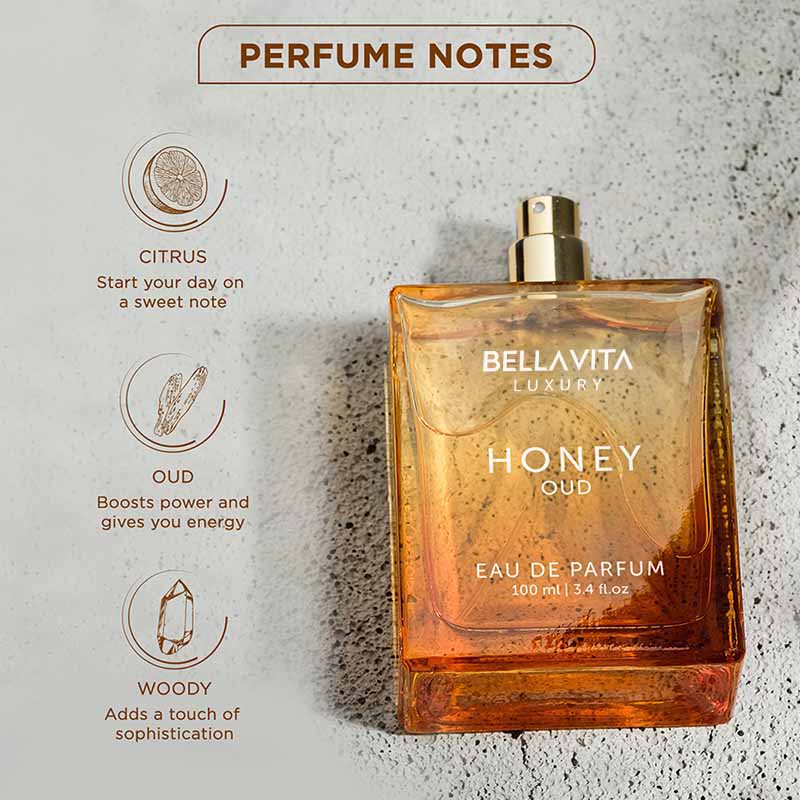
Some perfumes are easy to place. You smell them and instantly think, “This feels masculine,” or “That’s definitely floral and feminine.”


Then some fragrances don’t sit neatly in either box. Honey oud belongs in that second category.
It’s rich but soft. Woody but not harsh. Sweet, yet deep. The sweetness doesn’t drift into dessert territory. And somehow, when it lands on skin, it works. On different people, in different moods, on different days.
That balance is the reason perfumers keep coming back to the combination. But the real story behind it starts with oud itself.
Why Does This Note Feels Naturally Unisex?
A lot of modern fragrances still follow the idea that certain notes belong to men while others belong to women. Fresh aquatics for men. Soft florals for women. That sort of thing. Oud never really played by those rules. The presence of honey in the mix doesn’t suddenly push the fragrance to one side or another. Instead, it smooths the scent.
1. Sweetness Meets Depth
Honey brings warmth and a gentle gourmand sweetness. Oud contributes earthiness and smoky depth. Together, they create contrast.
The sweetness stops the oud from feeling too heavy. The oud prevents the honey from becoming sugary or playful. That balance is exactly why honey oud works so well across genders.
One person might experience it as warm and comforting. Another might notice the darker, woodier side. Same fragrance. Different impressions.
2. Oud Has Always Been Gender-Neutral
In many Western fragrance traditions, scents are marketed with clear gender categories. But oud doesn’t come from that system.
Oud has been worn by everyone for centuries in parts of the Middle East and South Asia. They burn it in their homes, put some onto their clothes and wear it as perfume without worrying about whether it is masculine or feminine. That tradition continued in contemporary perfumery.
So when honey is blended into the composition, it doesn’t suddenly become feminine or masculine. It simply adds another dimension.
That cultural history plays a big role in why honey oud perfumes feel so naturally universal today.
3. It Smells Different on Everyone
Here’s something fragrance lovers know well: perfume behaves differently depending on who’s wearing it. Skin chemistry changes everything.
On one person, the sweetness might stand out more. On someone else, the woody side may take over. The climate, the surrounding environment, and even diet can alter how scents develop during the day. This is the reason behind honey oud’s versatility. The scent of each wearer feels a little personal as the two notes respond differently.
No two people carry it the same way.
4. The Way the Scent Unfolds
One of the best parts of this note is how it changes throughout the day. The fragrance development approach of honey oud perfumes is usually soft. During the first few minutes, honey will be most evident. This is soft, warm, with a hint of floral. After about thirty minutes, the oud emerges with a dense, smoky, and woody profile. A few hours later, the scent mellows into a perfect whole. Warm skin, lingering intensity, and sweetness. The subtle changes in scent likely won’t be overpowering as it keeps evolving and never feels flat or boring.
5. It Fits More Occasions Than You’d Expect
Some perfumes feel tied to a particular moment. Fresh citrus scents scream summer afternoons. Heavy musks belong to winter nights. Floral bouquets lean toward daytime wear. At first glance, a fragrance created around oud deserves only to be worn at night. But that’s not always true. The honey softens the composition, and suddenly, the fragrance is something that can be worn. A lighter spritz feels good going on during the day, while a more generous application smells especially chic for dinner or night events. In other words, it adapts. And that sort of versatility is unusual in perfumery.
6. The Staying Power Is Another Bonus
There’s also the simple fact that oud lasts. Since the oil is extracted from dense resin, which is formed in agarwood trees, it tends to stick on the skin for longer than many lighter ingredients. Even after the top notes diminish, the woodiness stays apparent for hours. That lingering warmth is something fragrance enthusiasts really appreciate.
Why Does the Blend Keep Appearing in Modern Perfumes?
Fragrance trends move quickly. Some notes dominate for a few years and then quietly disappear. The pairing behind honey oud seems to resist that cycle.
Maybe it’s the contrast between sweetness and depth. Maybe it’s the long cultural history of oud itself. Or maybe it’s simply because the scent feels comfortable on different people without needing a label. Whatever the reason, perfumers continue exploring the combination in new ways.
And judging by how often it appears in modern unisex fragrances, it’s not going anywhere soon.