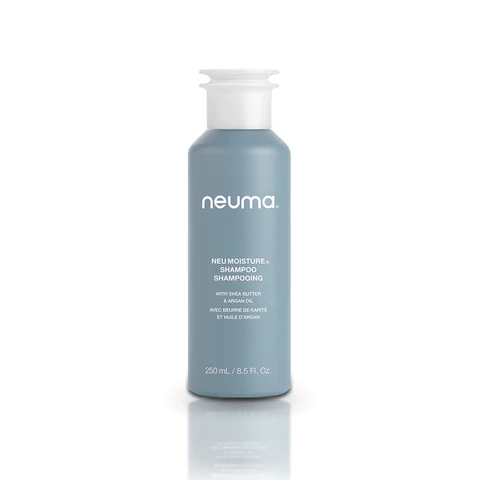
Walk into any supermarket or a beauty store. There are rows and rows of bottles staring back at you. Shine. Repair. Volume. Smoothness. Strength. Every label sounds like the one, and this can be confusing.


The secret? Your hair already knows what it needs. Not your friend’s hair. Not your favourite influencer’s hair. Your hair knows it! This guide walks you through understanding the cues.
Understand Your Hair Type
A bottle’s famous brand name or the premium packaging may beckon you. But take a pause. Ask yourself a few questions
- Does your scalp turn oily by evening?
- Do your ends feel dry or rough?
- Is frizz your daily battle?
- Is your hair colored?
- Do you straighten, curl, or blow-dry often?
These answers matter more than brand names. Hair care works best when it’s specific, personal and targeted. One formula cannot solve every concern, and it shouldn’t have to. In fact, shampoos and conditioners are like skincare. You wouldn’t use heavy cream on oily skin or a mattifying gel on dry skin. The same logic applies here.
Your scalp type and your hair texture together decide what works.
- Oily scalp? You need balance, not more moisture.
- Dry hair? You need hydration, not harsh cleansing.
- Fine strands? You need light formulas, not heavy coatings.
- Thick or curly hair? You need nourishment that actually lasts.
Simple but powerful.
Here is a quick overview to help you identify where you fit.
| Hair Type | Common Signs | What It Needs |
| Oily Hair | Greasy roots, flat look | Lightweight cleansing |
| Dry Hair | Rough texture, dullness | Deep hydration |
| Curly Hair | Frizz, dryness | Moisture + definition |
| Fine Hair | Limp, lacks volume | Light volume boost |
| Thick Hair | Heavy, dense | Smoothing and control |
| Colored Hair | Fading color | Gentle, color-safe care |
| Damaged Hair | Split ends, breakage | Repair and strengthening |
Once you identify your type, you can choose the right shampoos and conditioners with confidence.
For Oily Hair
So, it all lies at the scalp. Sebum builds up quickly. Washing daily may seem tempting, but harsh formulas can make oil production worse.
Look for:
- Clarifying or balancing shampoo
- Lightweight conditioner
- Ingredients like tea tree, salicylic acid or charcoal
Avoid:
- Heavy creams
- Thick oils near the roots
Tip: Apply conditioner only to the mid-lengths and ends. Never the scalp.
Your goal is balance. The right shampoos and conditioners should cleanse without stripping.
For Dry Hair
Dry hair lacks moisture. It often feels rough and looks dull.
Look for:
- Hydrating shampoo
- Cream-based conditioner
- Ingredients like shea butter, argan oil, glycerine or ceramides
Avoid:
- Frequent clarifying washes
- High alcohol content formulas
Dry hair benefits from richer shampoos and conditioners that restore softness.
Consider adding a weekly deep conditioning mask for extra support.
For Curly Hair
Curly hair is naturally drier. The scalp oils struggle to travel down the hair shaft.
Look for:
- Sulphate-free cleansers
- Moisturising conditioner
- Ingredients like coconut oil, aloe vera and proteins
Avoid:
- Strong foaming agents
- Silicone overload
Curly textures thrive on hydration. Choose shampoos and conditioners that define curls without weighing them down.
Bonus tip: Detangle only when hair is wet and conditioned. It reduces breakage.
For Fine Hair
Fine hair gets flat easily. Heavy products weigh it down.
Look for:
- Volumising shampoo
- Lightweight conditioner
- Proteins that strengthen strands
Avoid:
- Thick creams
- Excess oils
Apply conditioner only to the ends. Rinse thoroughly.
For Thick Hair
Thick hair can be dry at the ends and frizzy in humidity.
Look for:
- Smoothing formulas
- Moisture-rich conditioners
- Anti-frizz ingredients
Avoid:
- Ultra-light formulas that do not nourish enough
Thick hair often benefits from slightly richer shampoos and conditioners that control volume while keeping strands soft.
For Colored Hair
Hair color fades with harsh washing. Protection matters.
Look for:
- Sulphate-free formulas
- Color-protect technology
- UV filters
Avoid:
- Clarifying shampoos too often
- High heat styling without protection
Colored hair requires gentle shampoos and conditioners that maintain vibrancy.
Tip: Wash with lukewarm water. Hot water strips color faster.
For Damaged Hair
Damage can come from heat styling, chemical treatments or environmental stress.
Look for:
- Bond-repair technology
- Protein-enriched formulas
- Strengthening ingredients like keratin
Avoid:
- Daily harsh washing
- Overuse of heat tools
Repair-focused shampoos and conditioners help rebuild structure over time. Consistency is key.
Ingredient Guide: What To Look For
Understanding labels helps you make smarter choices.
| Ingredient | What It Does | Best For |
| Keratin | Strengthens hair | Damaged hair |
| Argan Oil | Adds shine and softness | Dry hair |
| Salicylic Acid | Cleanses scalp | Oily hair |
| Glycerine | Retains moisture | Curly and dry hair |
| Niacinamide | Supports scalp health | Weak roots |
| Aloe Vera | Soothes and hydrates | Sensitive scalp |
Simple rule: Match the ingredient to your concern.
How Often Should You Wash?
| Hair Type | Recommended Wash Frequency |
| Oily Hair | Every 1–2 days |
| Normal Hair | 2–3 times a week |
| Dry or Curly Hair | 1–2 times a week |
Common Mistakes To Avoid
Even good products fail if used incorrectly.
- Using too much shampoo
- Skipping conditioner
- Applying conditioner to the scalp
- Not rinsing properly
- Changing products too frequently
Give new products at least three to four weeks before judging results.
Should You Invest In Premium Options?
Not all expensive products are better. What matters is suitability. Sometimes drugstore options work beautifully. Sometimes salon formulas are worth it. The best shampoos and conditioners are the ones that suit your hair’s needs. So, look into the details and more importantly understand your hair type.
Seasonal Hair Care Matters
Your hair changes with the weather.
- Summer: More sweat and oil buildup.
- Winter: Increased dryness and static.
- Monsoon: Frizz and scalp issues.
You may need to adjust your shampoos and conditioners slightly with the seasons. For example:
- Switch to anti-frizz in humid weather.
- Add extra hydration in winter.
Small adjustments make a big difference.
Conclusion
At the end of the day, your hair isn’t “difficult.” It’s just misunderstood. The frizz isn’t random. The oiliness isn’t rebellion. The dryness isn’t drama. It’s feedback.
When you choose shampoos and conditioners that actually match your hair type, things click. Wash days feel easier, styling feels lighter and good hair days stop being rare events. They start becoming a routine.