


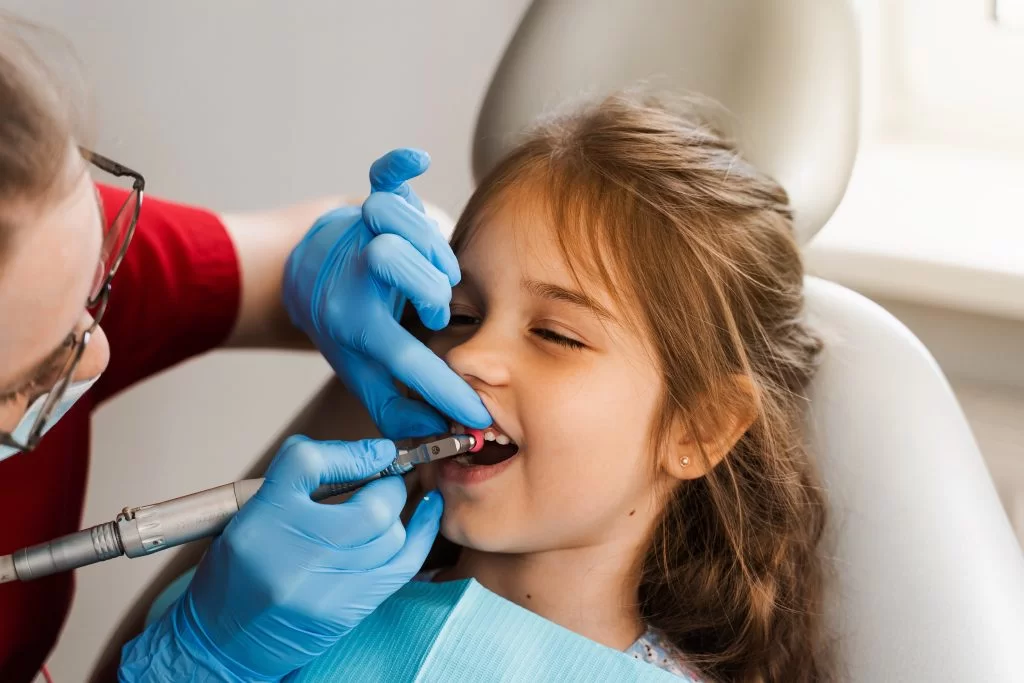
Dental health is one of the most important aspects of a child’s overall well-being. Parents often have many questions when it comes to dental restorations like crowns for their children. Crowns are a common solution for teeth that are decayed, fractured, or structurally compromised. However, many parents worry about how a crown may affect their child’s natural tooth development. According to a trained dentist in Chelsea NY, because the crown is designed to fit precisely over the existing tooth structure, it simply follows the natural biological timeline of the primary tooth’s roots dissolving. Once the tooth becomes loose and eventually sheds, the permanent tooth is free to emerge into its proper position without any interference from the dental restoration.


What Are Dental Crowns and When Are They Needed?
A dental crown is a tooth-shaped “cap” that covers the visible portion of a tooth. Crowns are used to restore strength, shape, and function to teeth that have been damaged or weakened by decay, trauma, or large fillings. In pediatric dentistry, crowns are often recommended for children whose primary teeth are severely decayed or have undergone a root canal treatment.
Crowns are designed to last until the natural tooth is ready to fall out. Unlike permanent crowns in adult dentistry, pediatric crowns must accommodate the ongoing growth and development of the child’s mouth. Choosing the right type of crown and placing it at the right time ensures that the child’s smile remains functional and aesthetically pleasing while protecting oral health.
Types of Pediatric Crowns
There are several types of crowns used in children:
- Stainless Steel Crowns (SSCs):
Stainless steel crowns are the most common type for primary teeth. They are durable, cost-effective, and provide long-term protection against further decay. Stainless steel crowns are prefabricated and can be adjusted to fit the child’s tooth precisely. - Zirconia Crowns:
Zirconia crowns are tooth-colored and offer a more natural appearance. They are highly durable and resistant to wear, making them an excellent choice for children who are conscious of their appearance. - Composite Crowns:
Composite resin crowns are less common but can be used in cases where a natural appearance is a priority and minimal tooth reduction is desired.
How Crowns Support Natural Tooth Development
One of the biggest concerns parents have about pediatric crowns is whether they will interfere with the natural process of primary teeth shedding. Here, the expertise of a trained dentist in Chelsea, NY, provides reassurance. Because the crown is carefully shaped to fit over the child’s existing tooth, it does not hinder the natural resorption of the primary tooth roots. The crown essentially becomes an extension of the natural tooth until it is time for the permanent tooth to erupt.
This approach ensures that the permanent tooth emerges in its correct position, promoting proper alignment and reducing the risk of orthodontic issues later in life. Crowns, therefore, are not just restorative—they are preventive, protecting the integrity of the tooth while allowing normal biological processes to continue uninterrupted.
Benefits of Pediatric Crowns
Pediatric crowns offer numerous benefits:
- Protection: They shield weakened or decayed teeth from further damage.
- Functionality: Crowns restore the child’s ability to chew and speak properly.
- Aesthetic Appeal: Tooth-colored crowns maintain a natural appearance, helping children feel confident in their smiles.
- Longevity: Crowns last until the primary tooth naturally falls out, providing reliable protection.
- Support for Oral Development: Crowns help maintain the space and structure necessary for permanent teeth to emerge correctly.
What Parents Should Expect During the Procedure
The procedure for placing a pediatric crown is straightforward and typically completed in one dental visit. First, the dentist removes any decay and shapes the tooth to prepare it for the crown. Next, the dentist fits the crown over the tooth, ensuring a secure and precise fit. For stainless steel crowns, this involves minor adjustments to the prefabricated cap. For zirconia or composite crowns, the dentist customizes the shape and color to match the surrounding teeth.
Most children tolerate the procedure well with local anesthesia, and recovery is usually immediate. Post-procedure care involves normal oral hygiene practices, including brushing, flossing, and regular dental check-ups.
Tips for Maintaining Crowns in Children
While crowns are designed to be durable, proper care is essential for ensuring their longevity:
- Encourage your child to brush twice daily with fluoride toothpaste.
- Floss gently around the crown to prevent plaque buildup.
- Avoid hard or sticky foods that can dislodge or damage the crown.
- Maintain routine dental visits to monitor the crown and overall oral health.
Why Choosing an Experienced Pediatric Dentist Matters
Selecting a trained dentist in Chelsea, NY, or your local area is crucial for the success of pediatric crowns. Experienced dentists understand the nuances of children’s dental development and can recommend the most appropriate crown type for each situation. They also ensure that the procedure is as comfortable as possible for the child, minimizing anxiety and promoting a positive dental experience.
Conclusion
Pediatric dental crowns are a reliable solution for protecting and restoring primary teeth. They ensure that a child’s smile remains functional and aesthetically pleasing while supporting natural tooth development. According to a trained dentist in Chelsea, NY, because the crown is designed to fit precisely over the existing tooth structure, it simply follows the natural biological timeline of the primary tooth’s roots dissolving. Once the tooth becomes loose and eventually sheds, the permanent tooth is free to emerge into its proper position without any interference from the dental restoration.
By choosing the right type of crown and a skilled pediatric dentist, parents can help their children maintain strong, healthy teeth and set the stage for a lifetime of good oral health.












