Traffic deaths claim thousands of lives each year across the United States, affecting families and communities nationwide. Understanding that the most common causes of collisions include speeding, distracted driving, and impaired driving can empower individuals to take proactive steps in saving lives. Every decision behind the wheel counts, and small daily choices accumulate into substantial improvements in road safety for all.


This article examines practical measures that every driver, passenger, and road user can take to significantly reduce the risk of accidents and fatalities. Understanding risk factors—such as recognizing that the most common cause of a collision is often linked to human behavior—helps reinforce the importance of safe driving habits. By staying informed, practicing responsible decision-making, and participating in broader road safety initiatives, individuals can become agents of positive change and contribute to the shared goal of safer roads for all.
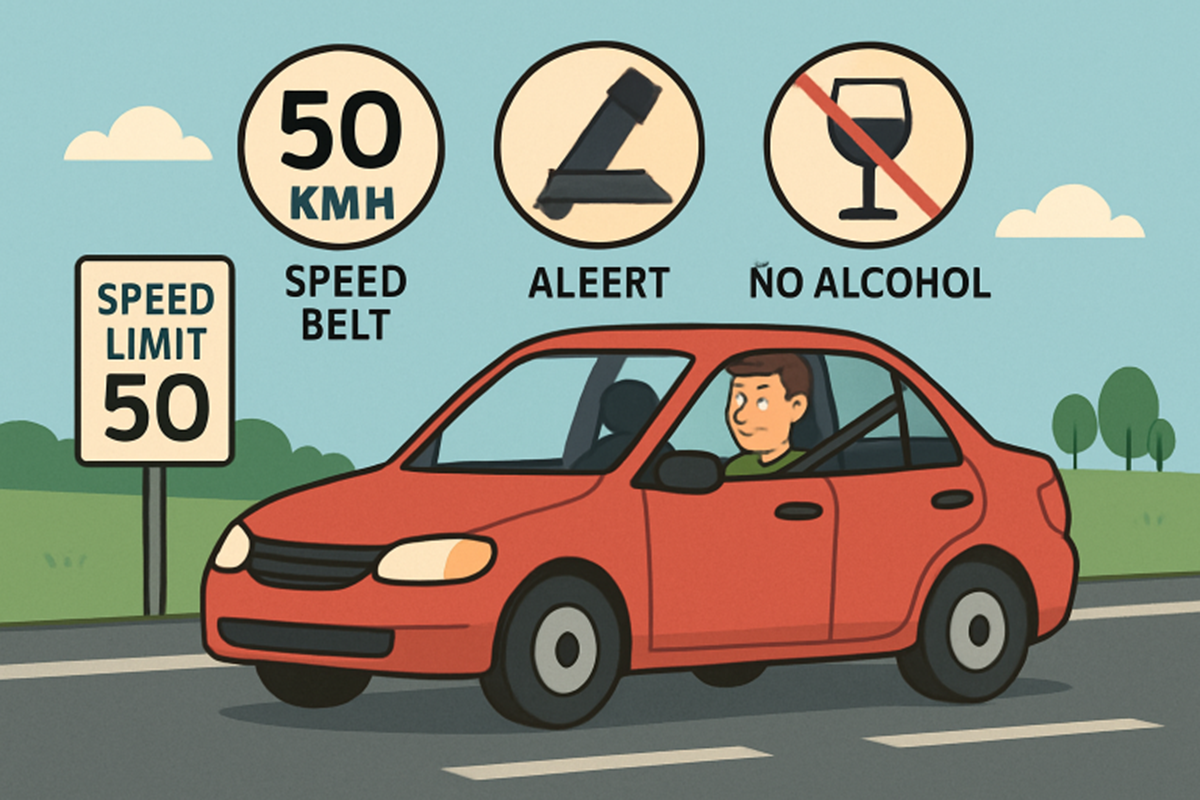
Adhere to Speed Limits
Speed remains one of the largest contributors to severe traffic accidents. According to the National Highway Traffic Safety Administration (NHTSA), speeding was a factor in approximately 29% of all traffic deaths in the U.S. in 2022, resulting in more than 12,000 preventable fatalities. By respecting posted speed limits and adjusting speeds for road conditions, drivers can substantially reduce both the likelihood and severity of accidents. Lower speeds also provide more time for drivers to react to unexpected hazards, protecting pedestrians, bicyclists, and fellow motorists.
Always Wear a Seat Belt
Studies show that seat belts are among the most reliable forms of protection during a crash, reducing fatalities for front-seat passengers by 45% and lowering the risk of serious injury by 50%. The simple act of buckling up—regardless of trip length—saves lives every day. Ensure all occupants are wearing seatbelts before starting the vehicle, and encourage others to adopt this life-saving habit as well. Reinforcing consistent use helps set a standard for family and friends, particularly for younger or less experienced drivers.
Stay Alert and Avoid Distractions
Distracted driving refers to any activity that diverts attention from operating the vehicle safely, including texting, using a phone, eating, and adjusting controls. According to the Centers for Disease Control and Prevention (CDC), thousands of crashes annually are the result of driver distraction. Maintaining full focus on driving tasks—using hands-free technology only when absolutely necessary—dramatically reduces crash risks and the resulting injuries or fatalities.
Never Drive Under the Influence
Impairment by alcohol or drugs continues to be a major cause of fatal crashes, contributing to nearly one-third of all traffic deaths in recent years. Decision-making, vision, and reaction time are all compromised by any form of impairment. Prioritize safety by always designating a sober driver, calling a taxi or rideshare, or using public transportation when necessary. Consistent vigilance in this area is key to preventing heartbreak and loss on the road.
Embrace Advanced Vehicle Safety Technologies
Modern vehicles feature a suite of safety innovations—including automatic emergency braking, lane keep assist, and blind-spot monitoring—designed to reduce human error and effectively prevent many types of collisions. Becoming familiar with and utilizing these technologies can enhance your safety and those around you. As newer features become increasingly standard, their widespread adoption promises a future with fewer serious injuries and fatalities.
Support and Comply with Traffic Safety Campaigns
Public awareness campaigns and law enforcement initiatives, such as NHTSA’s “Speeding Wrecks Lives” campaign, encourage adherence to critical safety behaviors, including sober driving, seatbelt use, and compliance with speed limits. Participating in these efforts—by sharing information, modeling good habits, or supporting social causes—helps build a culture of safety within your community. These campaigns are also instrumental in shifting public attitudes and reducing risky behaviors on the road.
Advocate for Improved Road Infrastructure
Creating safer roads is a shared responsibility that involves not only drivers, but also governments and communities. Advocating for improved road design, including clearer lane markings, more visible signage, ample street lighting, protected bike lanes, and pedestrian-friendly intersections, contributes to a safer environment for all road users. Community involvement in local government decisions regarding road repairs, traffic calming measures, and smart infrastructure investments is crucial for lasting change. According to research published by the World Health Organization, improved infrastructure can significantly reduce both the frequency and severity of crashes.
Conclusion
Preventing traffic fatalities is not solely the domain of lawmakers or public safety officials—it requires an ongoing commitment from everyone on the road. By making responsible choices—adhering to speed limits, wearing seatbelts, maintaining focus, avoiding impairment, embracing safety technologies, and actively supporting broader safety efforts—drivers and communities can together make a tangible difference. Safer roads start with each of us, and together we can protect lives and ensure that every journey is a safe one.