


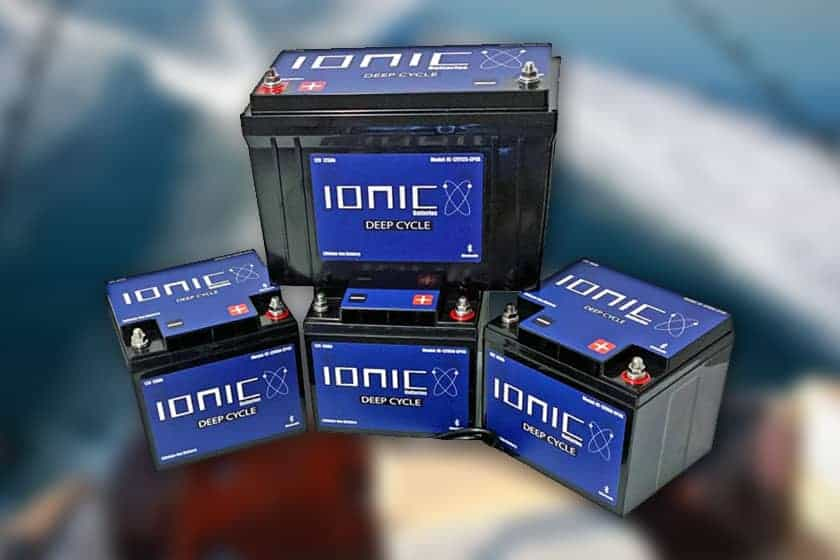
Adding a battery bank to your solar power system is a great way to improve its functionality. But what type of battery should you use? One of the most popular battery chemistries currently on the market is lithium iron phosphate batteries, referred to as both LFP and LiFePO4 batteries. Why are LFP batteries so popular, and how do they compare to other battery chemistries? Keep reading to find out.


What Does LFP Mean?
LiFePo4 is the full chemical formula for this type of battery’s chemistry: lithium (Li), iron (Fe), and phosphate (PO4). LFP is simply a shorthand version of this full chemical formula. In the solar industry, both terms are used interchangeably to describe this particular subset of lithium-ion batteries that use iron phosphate as the cathode material. So, whether it’s written as the full chemical formula or in shorthand form, both terms refer to the same core chemistry.
Why Is It So Popular for Solar?
LFP batteries offer many benefits that make them an ideal solution for storing solar energy, making them a popular choice for these applications. Here are just a few of the reasons that so many people choose LFP batteries for solar energy storage:
- Longevity: LFP batteries have some of the longest lifecycles among solar batteries. Most LFP batteries can endure 3,000 to 5,000 cycles (and sometimes more) with minimal degradation. This often translates to over a decade of reliable daily use.
- Safety: LFP battery chemistry is inherently stable and less prone to thermal runaway than other lithium chemistries. This makes these batteries safer for your home.
- Temperature range: LFP batteries can perform well over a broader range of temperatures than many other battery types. This is an important consideration, as many people choose to store their battery banks in areas of their home that aren’t temperature-controlled, like garages and basements.
These key features make LFP batteries a fantastic choice for solar battery banks.
Are They Better Than Other Batteries?
So now you know the pros of using LFP batteries, but how do they actually compare to other options? Before the advent of lithium-ion batteries, lead-acid was the way to go for solar storage. But users have since discovered that LFP batteries typically have a much longer life than lead-acid batteries (which provide only about 500 to 1,000 cycles in their lifetime) and have a higher depth of discharge. Lead-acid batteries also require more maintenance and can release dangerous gases. Though LFP batteries cost more upfront, their longer lifespan makes them a better investment in the long run.
When it comes to other lithium-ion battery types, the race is a bit closer, but LFP still typically comes out on top. While LFP batteries have a slightly lower energy density than nickel manganese cobalt (NMC) batteries, they’re safer than other lithium-ion options, have a longer lifecycle, and handle the charge and discharge patterns of solar use far better.
Ultimately, LFP batteries are the clear winner when it comes to building a solar battery bank. If you’re ready to add solar storage to your system, look for a Pytes battery distributor.









