Anterior cruciate ligament (ACL) tears are among the most common and debilitating knee injuries, affecting athletes and active individuals across all age groups. The ACL plays a crucial role in stabilizing the knee joint, and any tear can compromise mobility, strength, and overall function. Recovery from an ACL injury is often a lengthy and complex process, requiring meticulous planning, consistent rehabilitation, and expert guidance. The path to regaining full movement and preventing future injuries involves more than just rest; it necessitates targeted exercises, controlled loading, and tailored progression.


We will explore how patients recovering from ACL tears can benefit from structured physiotherapy programs and consistent monitoring, which emphasizes a comprehensive and patient-focused approach to recovery, as offered by https://fixio.com.au/seaforth-physio/. Understanding the nuances of ACL rehabilitation can empower individuals to return to their active lifestyles safely and effectively.
Structured Rehabilitation: Guiding Recovery After ACL Tears
Phase 1: The Acute Recovery Stage
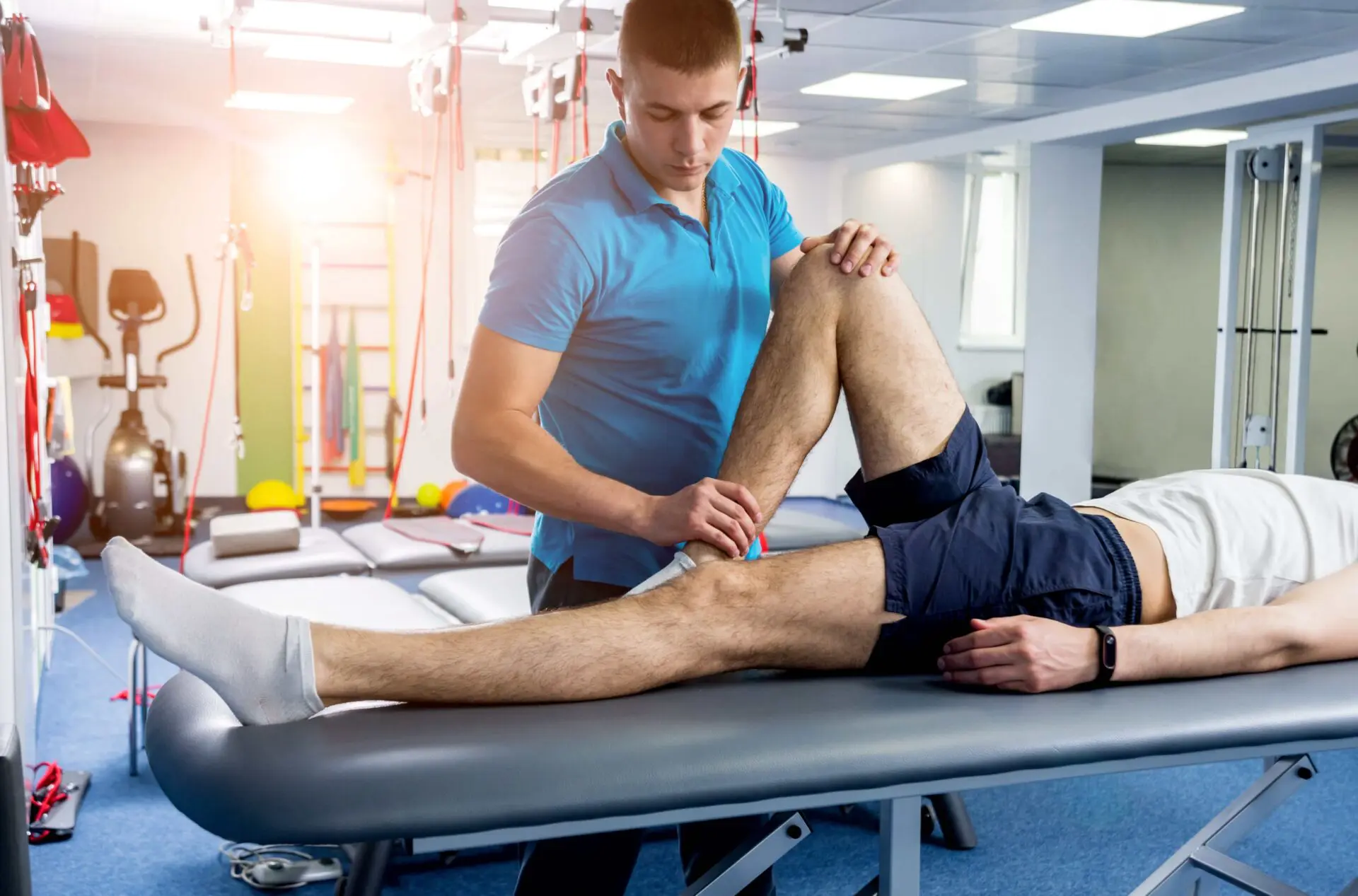
Rehabilitation following an ACL tear is a multi-phase process, beginning with the acute phase immediately after injury or surgery. During this period, the primary goals are to reduce swelling, restore range of motion, and maintain muscle activation, particularly in the quadriceps and hamstrings. Patients often face pain, instability, and difficulty walking, which can be discouraging. Physiotherapists guide individuals through gentle movements and controlled exercises designed to prevent stiffness and muscle atrophy.
Techniques Used in the Acute Phase
Techniques such as manual therapy, targeted stretching, and functional exercises are used to maintain circulation, promote healing, and reduce discomfort. This initial guidance is crucial, as improper management in the early stages can lead to prolonged recovery or complications. By closely monitoring the knee’s response to activity, therapists ensure that exercises are safe, effective, and adaptable to each patient’s progress.
Phase 2: Strengthening and Stability
As patients progress to the strengthening phase, the focus shifts to rebuilding muscle power and joint stability. ACL tears often result in significant weakening of the surrounding musculature, particularly in the quadriceps, hamstrings, and hip stabilizers. It incorporates progressive resistance exercises, balance training, and neuromuscular re-education to restore functional strength and improve overall well-being. This stage emphasizes controlled movement patterns to reinforce proper knee alignment and reduce the risk of re-injury.
Functional Exercises and Joint Support
Exercises are carefully adapted to challenge patients without overloading the healing ligament. Therapists also integrate functional tasks, such as step-ups, lunges, and squats, to simulate everyday activities and sports-specific movements. By fostering strength and coordination simultaneously, rehabilitation becomes more comprehensive and realistic, ensuring that patients regain both power and stability in their knee joint.
Phase 3: Advanced Functional Training
The next phase focuses on advanced functional training, which is essential for returning to athletic or physically demanding activities. At this stage, the knee must withstand higher loads, quick directional changes, and dynamic movements that place stress on the ligament. Fixio emphasizes agility drills, plyometrics, and sport-specific exercises that gradually increase intensity and complexity. This structured progression allows patients to rebuild confidence in their knee’s stability while testing functional limits under controlled conditions.
Combining Physical and Mental Readiness
Therapists provide continuous feedback, correcting movement patterns and reinforcing safe mechanics. Psychological readiness is also addressed, as patients often experience fear of re-injury or hesitation during high-impact activities. By combining physical conditioning with mental preparation, the rehabilitation process becomes holistic, supporting a safer and more successful return to activity.
Goal-Setting and Progress Tracking
Another critical component of ACL recovery is setting individualized goals and tracking progress. Each patient’s injury, lifestyle, and recovery timeline are unique, requiring tailored plans that adapt as improvement occurs. Fixio utilizes thorough assessments, including monitoring of range of motion, strength, functional performance, and patient-reported outcomes, to guide adjustments in therapy.
The Role of Ongoing Assessment
Regular evaluation ensures that exercises remain appropriately challenging and effective while identifying areas that may require additional attention. This structured oversight also motivates patients, as measurable progress can be observed and celebrated, reinforcing adherence to the program. By integrating assessment and adaptation, rehabilitation remains dynamic and responsive, ultimately enhancing outcomes and minimizing setbacks.
Education and Long-Term Injury Prevention
In addition to physical rehabilitation, education plays a pivotal role in long-term recovery and injury prevention. Patients recovering from ACL tears benefit from learning about proper biomechanics, safe movement strategies, and lifestyle adjustments that support healing. Fixio offers guidance on modifying activities, developing home exercise programs, and techniques to protect the knee during daily activities or sports.
Empowering Patients Through Knowledge
Educating patients about load management, warm-up routines, and recovery strategies empowers them to take an active role in their rehabilitation. This knowledge helps prevent compensatory movement patterns that could compromise the healing ligament or place stress on other joints. By combining practical education with hands-on therapy, patients develop the tools and understanding necessary for sustained knee health.
The Importance of Consistency and Engagement
Successful ACL rehabilitation also depends on consistency and patient engagement. Regular attendance, adherence to prescribed exercises, and proactive communication with therapists are crucial to achieving optimal outcomes. Fixio encourages patients to participate actively in their recovery, providing guidance, motivation, and support throughout the process.
A Collaborative Recovery Process
Therapists foster a collaborative environment where patients feel confident in asking questions, discussing challenges, and tracking their progress. This partnership enhances the effectiveness of rehabilitation by aligning professional guidance with patient commitment. Over time, consistent effort, combined with structured therapy and informed strategies, enables individuals to regain strength, stability, and confidence in their knee joint.
Holistic Benefits Beyond Recovery
Beyond recovery, ACL rehabilitation plays a crucial role in enhancing overall health and promoting functional improvement. Strengthening the knee and surrounding muscles enhances balance, coordination, and athletic performance. Patients often notice improvements in posture, gait, and endurance as rehabilitation progresses.
Supporting Long-Term Functionality
These benefits extend beyond the knee, supporting general mobility, reducing the likelihood of future injuries, and enhancing quality of life. Their approach recognizes the broader impact of ACL recovery, ensuring that therapy addresses both immediate rehabilitation goals and long-term functional well-being. By adopting a comprehensive approach, patients are better prepared to return to their daily activities, sports, and physically demanding tasks without compromising safety or stability.
Conclusion: Structured Therapy for Successful Outcomes
ACL tears require a structured and carefully monitored rehabilitation approach to restore knee function, strength, and stability. Support from dedicated therapists ensures that each stage of rehabilitation—from acute care to advanced functional training—is managed safely and efficiently. Incorporating strength development, neuromuscular re-education, functional drills, education, and consistent oversight creates a comprehensive recovery pathway. With commitment, guidance, and structured rehabilitation, individuals can regain confidence, prevent re-injury, and return to their active lifestyles with improved performance and stability.