Your home is your sanctuary, a place where you should feel completely safe and at ease. However, in an era where security concerns are increasingly top of mind for homeowners, relying on a simple deadbolt might not be enough. Access control—the practice of managing and monitoring who can enter your property and when—is no longer a concept reserved for high-tech office buildings or gated communities. It is a vital component of modern residential security that ensures your family and possessions remain protected against unauthorized entry.


Improving access control doesn’t necessarily mean turning your house into a fortress with barbed wire and guard dogs. Instead, it involves a strategic combination of physical reinforcements and smart technology to create layers of security. By taking a proactive approach, you can deter potential intruders and gain greater visibility into who is coming and going. Here are five practical tips to elevate the access control around your home.
1. Upgrade to Smart Locks and Keyless Entry
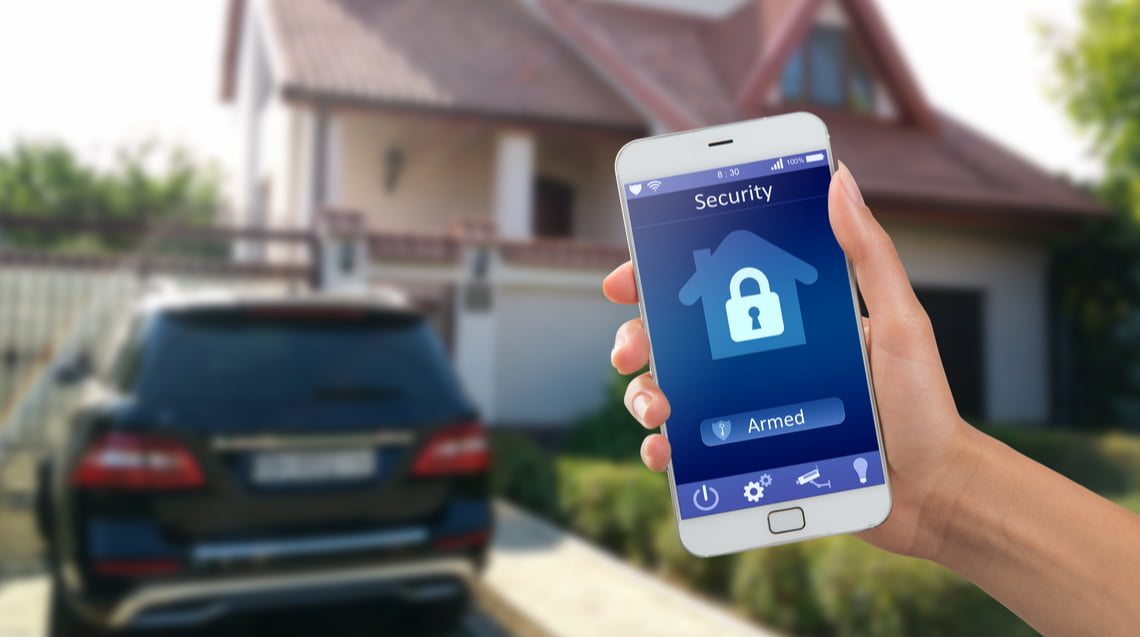
The days of fumbling for keys or hiding a spare under the doormat are fading fast, and for good reason. Traditional keys pose a significant security risk; they can be lost, stolen, or easily duplicated without your knowledge. Upgrading to smart locks is one of the most effective ways to tighten access control. These devices allow you to lock and unlock your doors remotely via a smartphone app, ensuring you never have to wonder if you remembered to lock the front door after leaving for work.
Beyond remote access, smart locks offer features like unique user codes. You can assign temporary codes to dog walkers, cleaners, or guests, and revoke them instantly once they are no longer needed. This provides a digital audit trail, letting you see exactly when a code was used. For added security, look for biometric options that use fingerprint scanning, ensuring that only verified individuals can gain access.
2. Install a Video Doorbell or Intercom System
Visual verification is a cornerstone of effective access control. You shouldn’t have to open your door to know who is standing on the other side. Video doorbells and residential intercom systems act as your first line of defense, allowing you to see and speak with visitors from the safety of your interior—or even from miles away via your mobile device.
These systems serve a dual purpose: convenience and deterrence. A potential intruder is far less likely to attempt a break-in if they know they are being recorded and that the homeowner has been alerted to their presence. Modern systems often include motion detection that triggers recording even before the doorbell is pressed, capturing footage of anyone lurking near your entryway. By integrating this with your smart lock, you can verify a visitor’s identity visually before granting them entry, all without compromising your physical safety.
3. Prioritize Garage Security and Maintenance
One of the most frequently overlooked entry points in the home is the garage. Many homeowners invest heavily in front door security while leaving the garage door vulnerable, despite it being a common target for burglars. The garage often provides direct access to the main house, making its security integrity paramount. It is essential to ensure that the opening mechanism is modern, utilizing rolling codes that prevent thieves from intercepting the signal from your remote opener.
Furthermore, structural integrity matters. An old, flimsy door is easily breached. Regular maintenance is required to ensure the tracks, springs, and locking mechanisms are functioning correctly to prevent forced entry. If you reside in areas with specific regional challenges or older housing stock, professional services are often necessary to bring your security up to par. For example, opting for a professional garage door installation in Salt Lake City can ensure that your largest entry point is installed correctly and remains secure against both weather and intruders, providing a seamless layer of protection for your home.
4. Implement Motion-Sensor Lighting
Darkness is an intruder’s best friend. Improving access control isn’t just about locks; it is also about environmental design that discourages unauthorized approach. Motion-sensor lighting is a simple yet highly effective psychological deterrent. When a person approaches your home’s perimeter, a sudden flood of light exposes them, removing the cover of darkness they rely on.
Strategically place these lights around all potential entry points, including back doors, side gates, and near ground-level windows. You might also consider smart lighting systems that can be programmed to mimic your daily routine when you are away on vacation, turning lights on and off in different rooms to create the illusion of occupancy. This signals to anyone watching that the home is active and monitored, making it a much less attractive target.
5. Reinforce Physical Entry Points
While technology significantly enhances security, physical barriers remain critical. A smart lock is only as good as the door frame it secures. If your door frames are weak or your windows have flimsy latches, they can be bypassed with brute force regardless of your electronic safeguards. Inspect all exterior doors to ensure they are solid core or metal, rather than hollow wood which is easily kicked in.
For windows, especially those on the ground floor, consider installing security film that prevents the glass from shattering easily. Additionally, reinforced strike plates on door jambs can prevent the wood from splitting if the door is kicked. Sliding glass doors should be secured with a localized lock or a wooden dowel in the track to prevent them from being forced open or lifted off their tracks. These physical reinforcements work in tandem with your electronic systems to create a robust, comprehensive security posture.
Securing your home is an ongoing process that requires attention to detail and a willingness to adapt to new technologies. By upgrading to smart locks, utilizing video verification, reinforcing physical barriers, and ensuring major entry points like your garage are properly installed and maintained, you create a safer environment for your household. These measures do more than just protect property; they provide the invaluable peace of mind that comes from knowing you have control over who enters your personal space.